
Advanced Gum Disease Treatment
Osseous Surgery in Fox Point, Wisconsin
Gentle, targeted periodontal surgery to restore healthier gums at Port Road Dental.
Osseous surgery is a specialized procedure used to treat advanced gum disease and protect the bone that supports your teeth. At Port Road Dental in Fox Point, Wisconsin, we focus on comfort, precision, and clear communication so you know what to expect at every step.
Osseous Surgery
Osseous Surgery at Port Road Dental
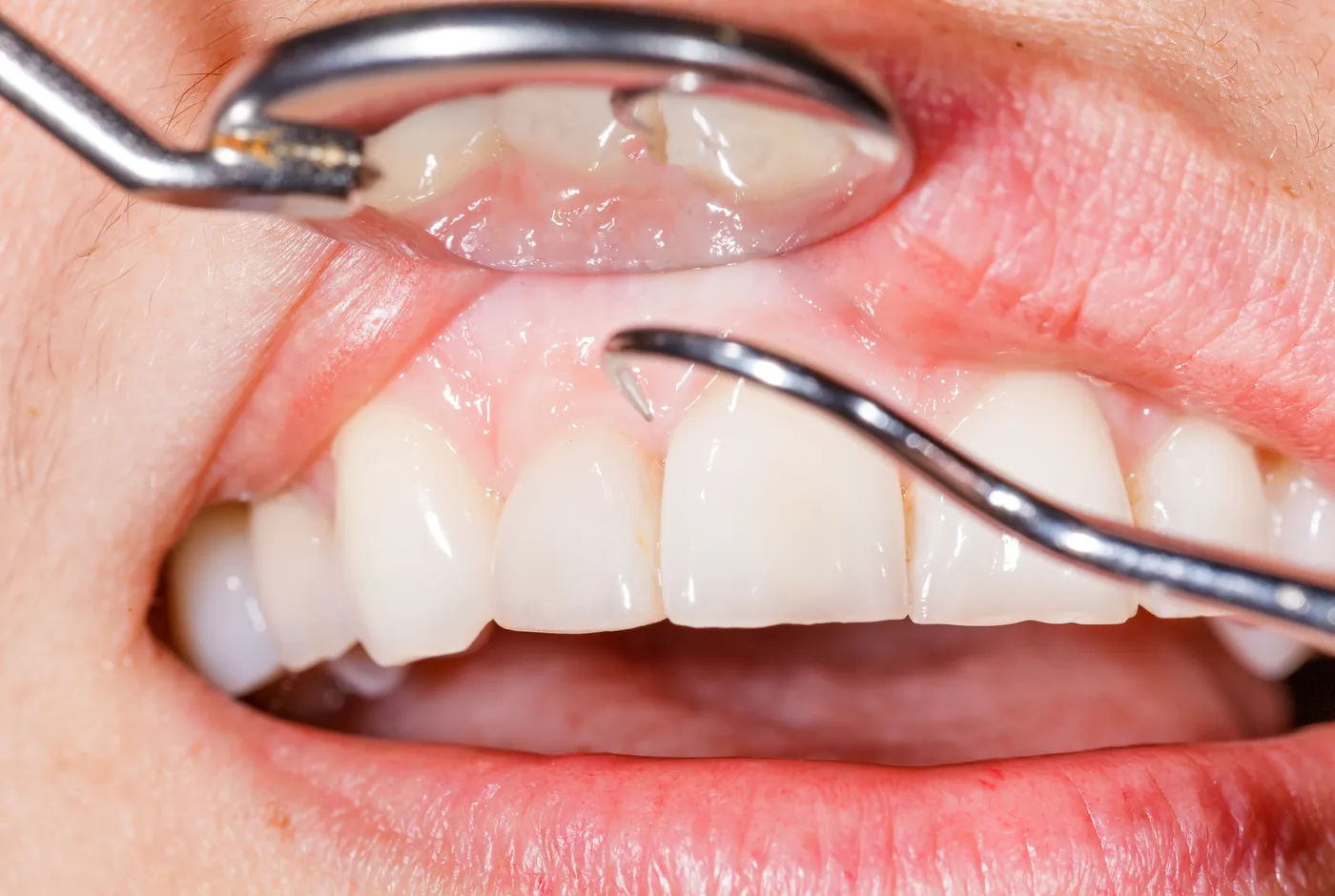
When periodontal disease has damaged the bone around your teeth, osseous surgery can help smooth infected areas, reduce deep pockets, and make it easier to keep your gums healthy. At Port Road Dental in Fox Point, Wisconsin, our team uses modern techniques and a gentle touch to improve gum health and support your long-term oral wellness.
What Is Osseous Surgery?
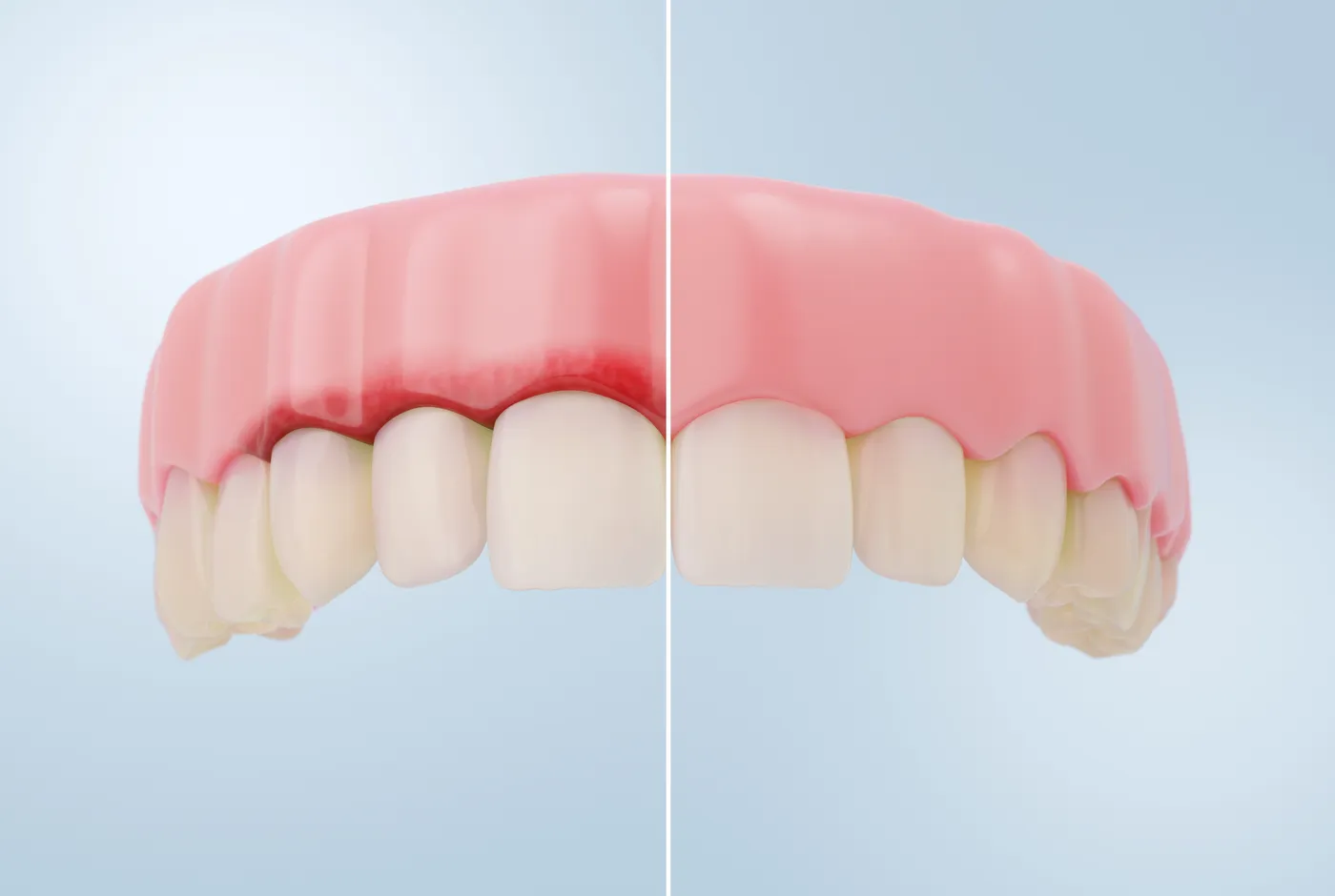
Osseous surgery is a periodontal procedure that reshapes the bone around teeth affected by advanced gum disease. After carefully lifting the gums, your dentist removes infected tissue, smooths rough or irregular bone, and then repositions the gums so they fit more snugly around the teeth.
By reducing deep pockets where bacteria collect, osseous surgery makes daily brushing and flossing more effective and lowers your risk of future infection, tooth mobility, and tooth loss.
- Reduces Deep Gum Pockets Helps shrink spaces where bacteria hide and cause ongoing infection.
- Improves Gum and Bone Health Reshapes damaged bone so teeth have stronger, more stable support.
- Makes Home Care Easier Smoother bone and tighter gums mean brushing and flossing are more effective.
- Supports Long-Term Tooth Preservation Can help you keep your natural teeth longer and avoid extractions.
What to Expect During Treatment
Before recommending osseous surgery, your dentist at Port Road Dental will complete a thorough exam, including digital X-rays and periodontal charting. We will review your medical history, discuss your symptoms, and answer all of your questions so you feel prepared.
On the day of your procedure, the area is fully numbed with local anesthetic, and many patients choose additional comfort options if needed. Your dentist gently lifts the gum tissue, cleans away tartar and infected tissue, reshapes the bone, and then sutures the gums back into a healthier position. You will receive detailed instructions for managing tenderness and caring for the surgical area at home.
- Digital X-rays for precise evaluation of bone loss
- Advanced periodontal instruments to remove infected deposits
- Comfort-focused anesthesia techniques to keep you relaxed
Am I a Candidate for Osseous Surgery?
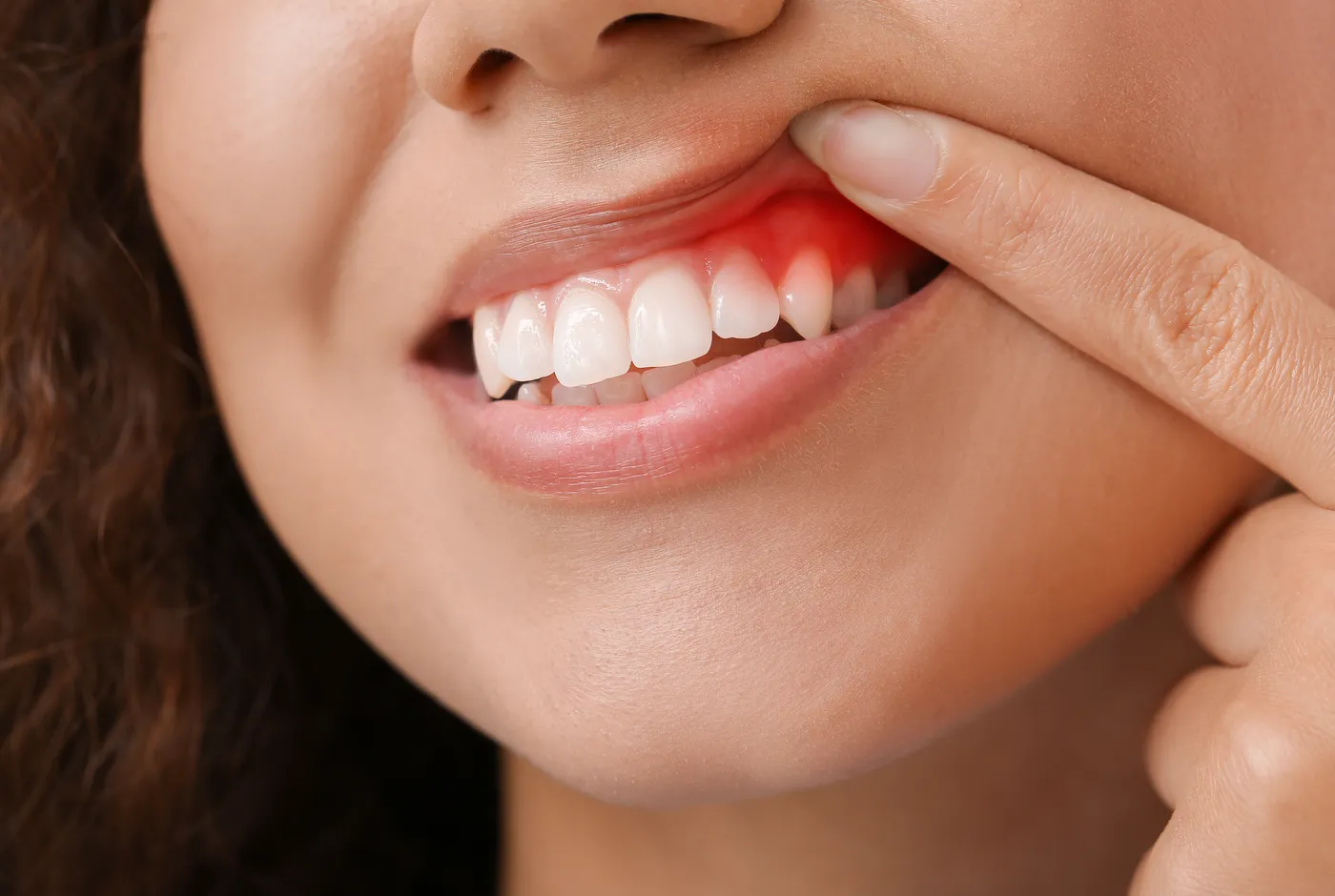
You may be a candidate for osseous surgery if you have deep periodontal pockets that have not responded fully to non-surgical treatments such as scaling and root planing. Signs can include bleeding gums, bad breath, gum recession, or teeth that feel slightly loose.
During your visit, we will evaluate your gum and bone health, review any medical conditions, and talk through all appropriate options. Our goal is to recommend the most conservative approach that will still give you a healthy, stable smile.
- Deep Pockets After Cleaning Persistent 5mm+ pockets despite regular periodontal maintenance.
- Bone Loss on X-rays Visible changes in the bone levels around your teeth.
- Healthy Enough for Surgery Overall medical health that supports safe healing and recovery.
Next Steps: Protecting Your Smile
Osseous surgery is an important step in controlling advanced gum disease, but long-term success depends on consistent home care and regular periodontal maintenance visits. After you heal, we will create a personalized follow-up plan to help you keep your gums healthy and your smile comfortable.
If you have been told you have gum disease—or you are noticing bleeding, tenderness, or loose teeth—contact Port Road Dental at (414) 351-6300. Our Fox Point, Wisconsin team is here to answer your questions, review your options, and help you choose the treatment that feels right for you.
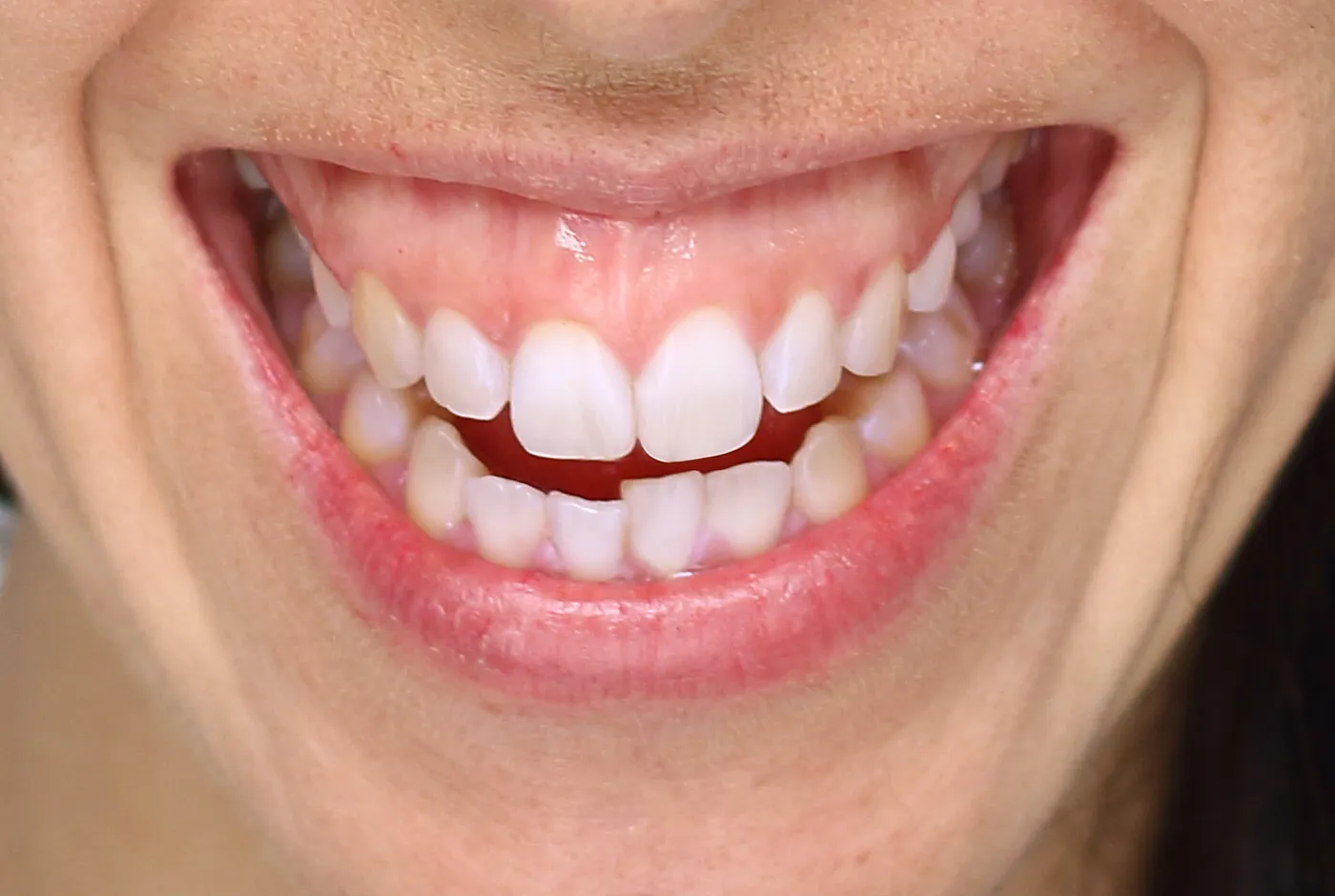

Osseous Surgery: Frequently Asked Questions
- Why would I need osseous surgery instead of just a deep cleaning?
- Deep cleaning (scaling and root planing) is often the first step in treating gum disease. Osseous surgery is recommended when pockets remain very deep or when bone damage is severe enough that non-surgical care alone cannot restore a healthy environment around your teeth.
- Is osseous surgery painful?
- The area is thoroughly numbed with local anesthetic before the procedure begins, so you should not feel pain during treatment. Some soreness or swelling afterward is normal, but most patients manage this comfortably with over-the-counter medication and the home-care instructions provided by our team.
- What is recovery like after osseous surgery?
- Most people can return to normal daily activities within a day or two, though you may need to eat softer foods and avoid strenuous exercise for a short time. Mild tenderness, swelling, or light bleeding can occur and typically improves over several days. We will schedule follow-up visits to monitor your healing.
- Will osseous surgery change the way my teeth look?
- Because the gums are repositioned, some patients notice that their teeth look slightly longer after surgery, especially in areas with significant bone loss. This is a normal result of creating a healthier, more maintainable gum line, and our team will discuss what to expect before your procedure.
- How long do the results of osseous surgery last?
- With good home care and regular periodontal maintenance visits, the benefits of osseous surgery can be long-lasting. However, gum disease is a chronic condition, so ongoing professional cleanings and consistent brushing and flossing are essential to protect your results.
- How much does osseous surgery cost?
- The cost depends on how many teeth and areas are treated, as well as the severity of your gum disease. After your examination at Port Road Dental, we will review a personalized treatment plan, provide a cost estimate, and discuss any available insurance benefits or payment options.
- Will my dental insurance cover osseous surgery?
- Many dental insurance plans offer partial coverage for medically necessary periodontal procedures, including osseous surgery. Our team will help you understand your specific benefits and submit any necessary documentation to your insurance provider.
- How do I know if I need osseous surgery?
- The best way to know is to schedule a periodontal evaluation. If you have bleeding gums, persistent bad breath, gum recession, or loose teeth, contact Port Road Dental in Fox Point, Wisconsin at (414) 351-6300 so we can assess your gum health and recommend the right treatment for you.
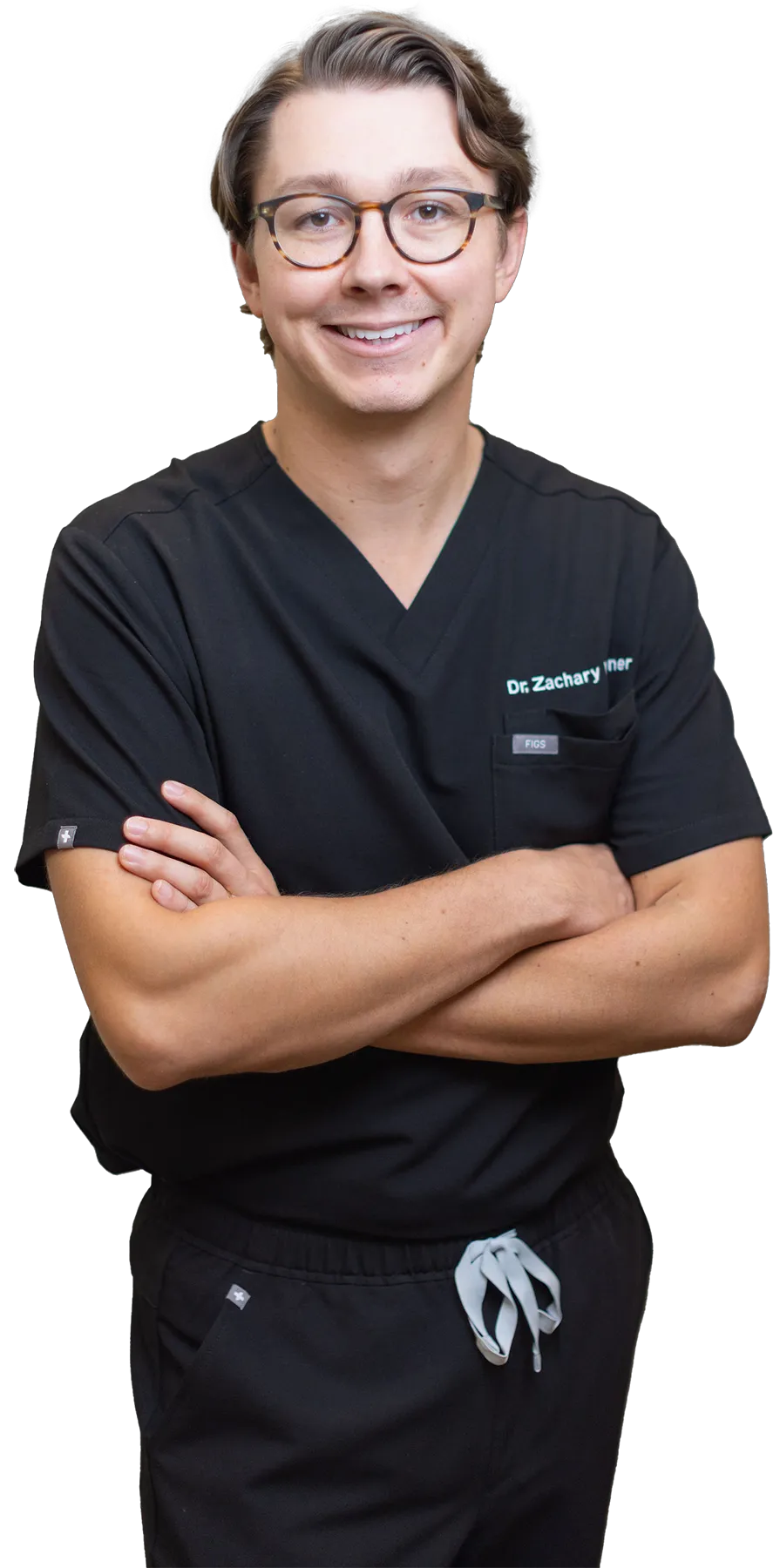
Dr. Zach Wehner
Learn more
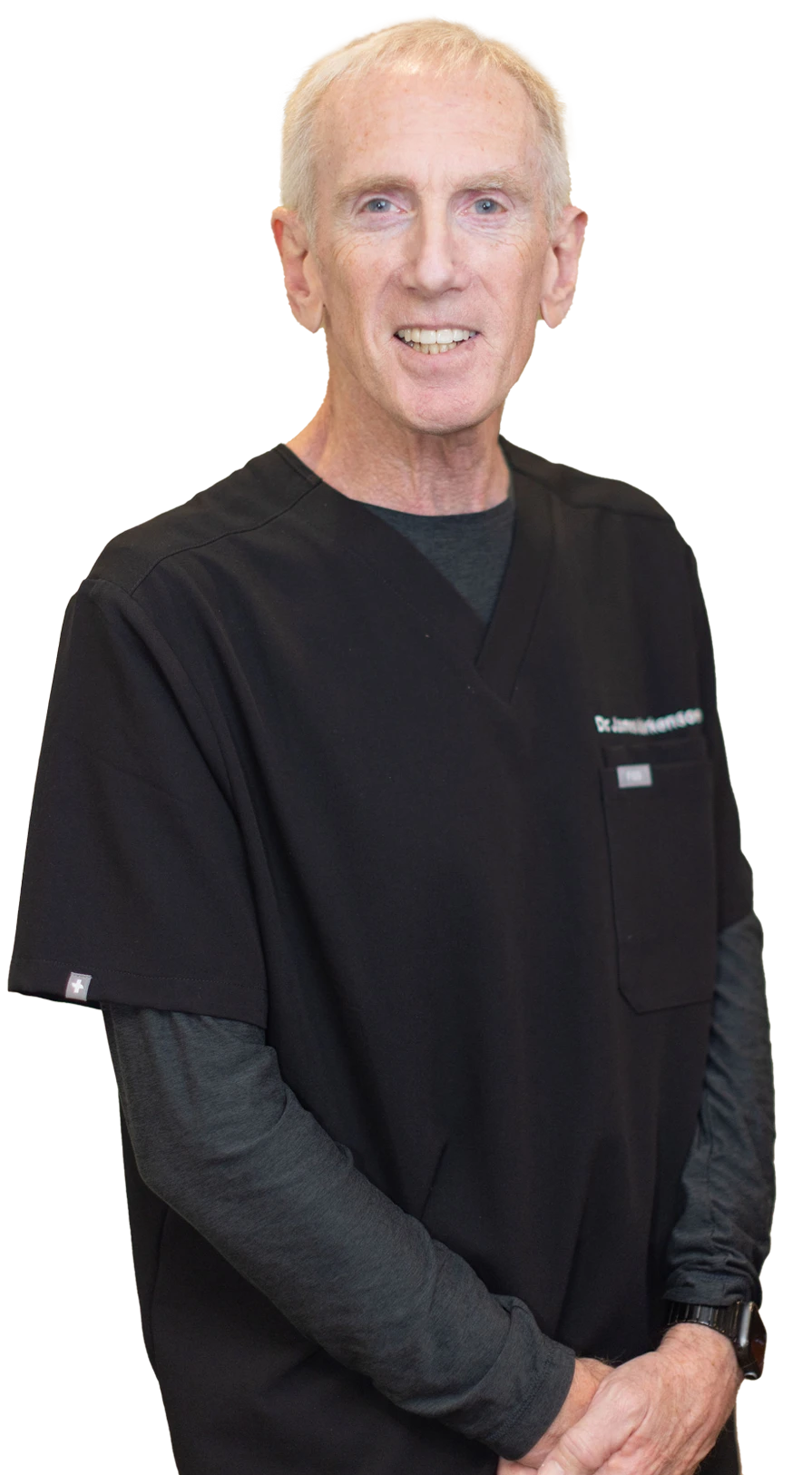
Dr. James Markenson
Learn more
“Comfortable & Caring”
“Port Road Dental made me feel completely at ease from the moment I walked in. Everyone was friendly, gentle, and took the time to explain each step. I’ve never felt more comfortable at a dental office.”

“Exceptional Every Visit”
“Every appointment at Port Road Dental is smooth, professional, and stress-free. The team is patient, attentive, and truly focused on my comfort. I always leave feeling confident about my care.”