

Advanced Dental Technology
Precise. Comfortable. Modern Dentistry for Every Patient.
MODERN TOOLS FOR BETTER CARE
Our Technology Suite Includes:
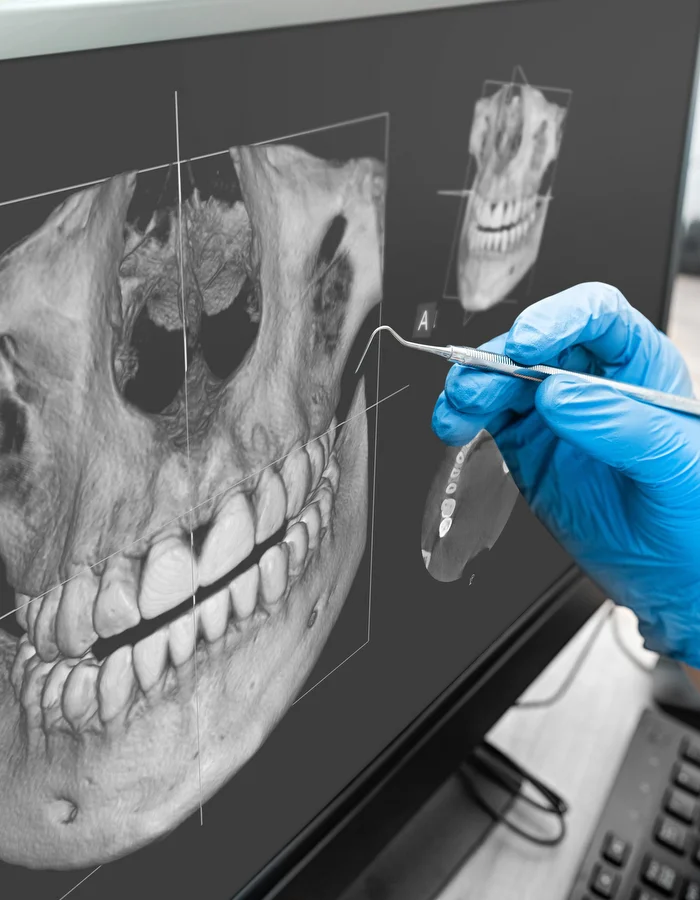
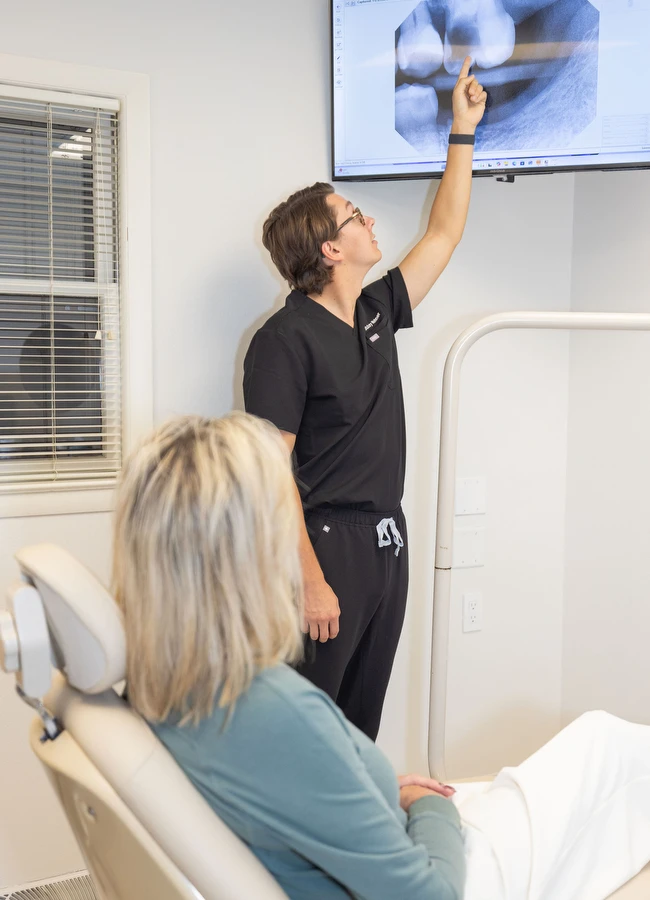
Digital X-Rays
Our digital X-ray system provides fast, high-resolution images with significantly reduced radiation exposure. These detailed scans help us diagnose concerns early and create more accurate treatment plans.
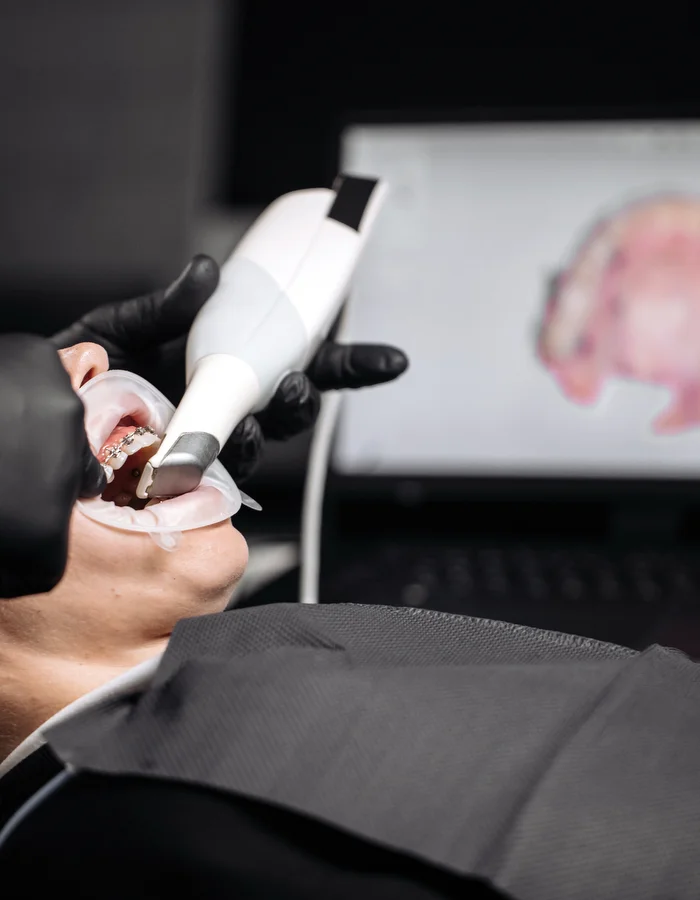
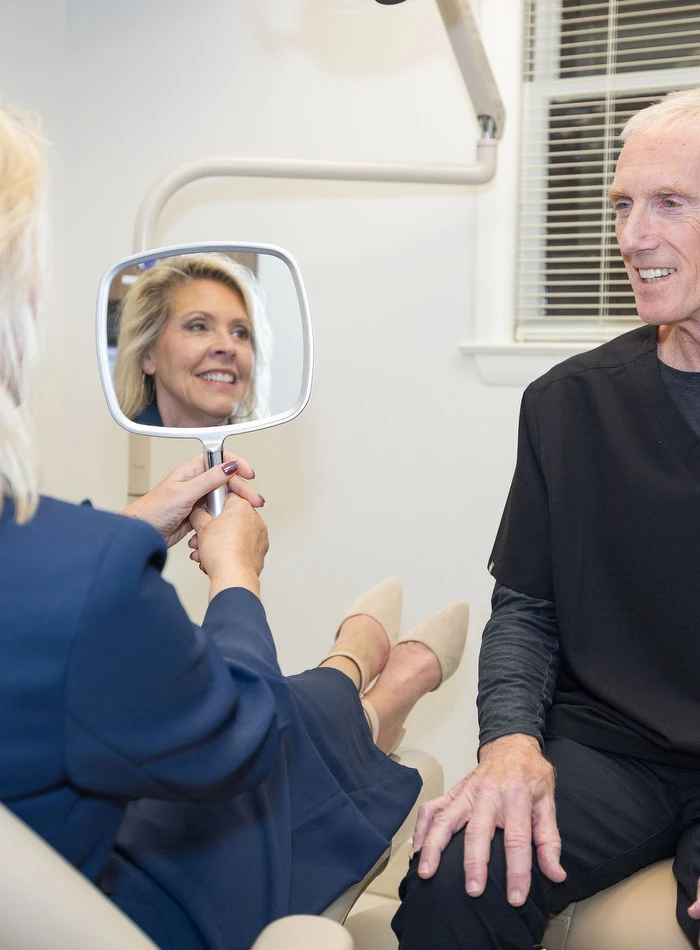
Intraoral Cameras
These small, handheld cameras let us capture real-time, high-definition images of your teeth and gums. You can see exactly what we see, leading to clearer communication and better understanding of your oral health.
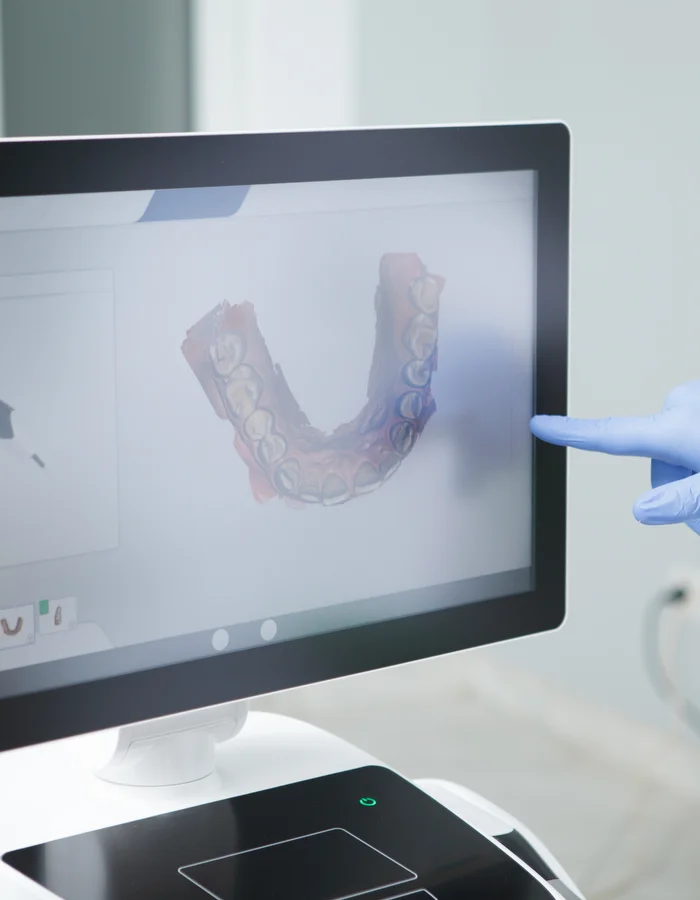
Digital Impressions
Say goodbye to messy, uncomfortable impression material. With digital scanning, we capture precise, 3D models of your teeth for crowns, bridges, nightguards, aligners, and other restorations — all with improved accuracy.
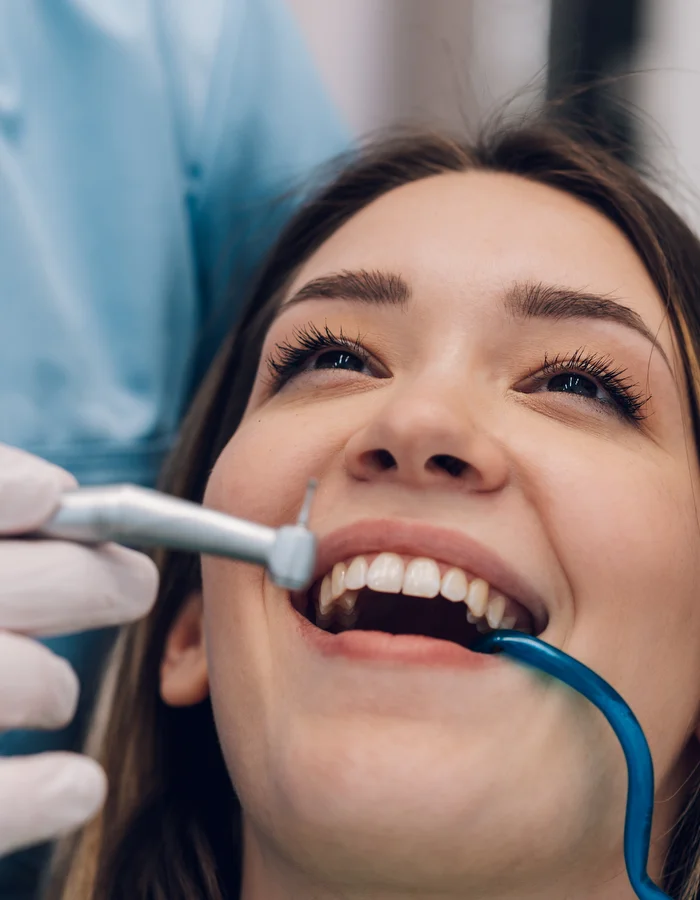
Electric Handpieces
Electric handpieces offer smoother, quieter, and more controlled treatment compared to traditional drills. They help reduce vibration and improve comfort during restorative procedures.
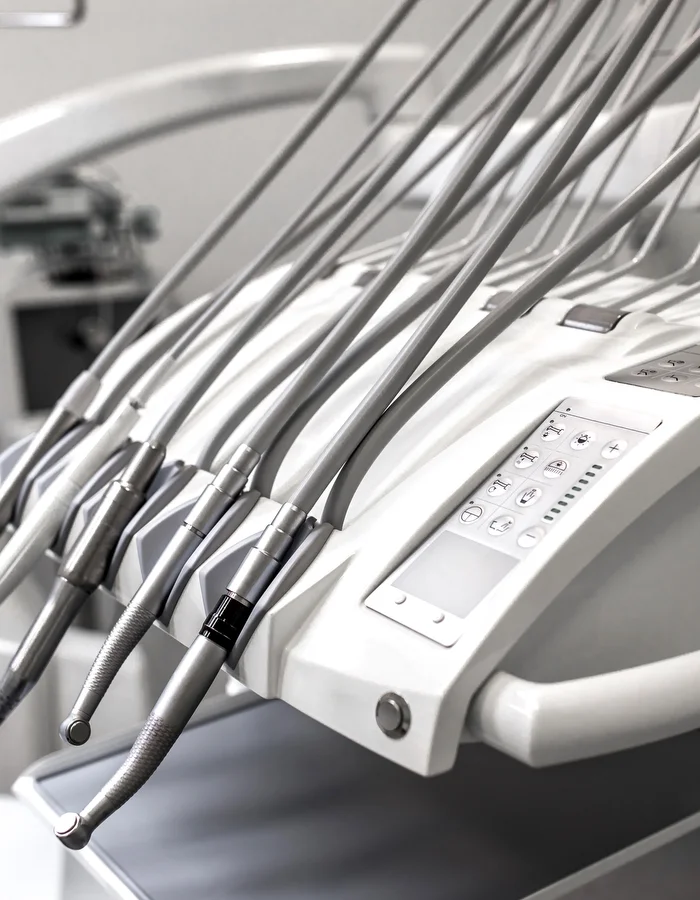
Ultrasonic Scalers
Ultrasonic cleaning technology uses gentle vibrations and water to remove plaque and tartar efficiently. This allows for a more comfortable hygiene visit, especially for patients with sensitivity.

Electronic Apex Locator
During root canal treatment, our apex locator helps determine the exact length of the tooth’s canal. This ensures precision, reduces treatment time, and enhances overall comfort.
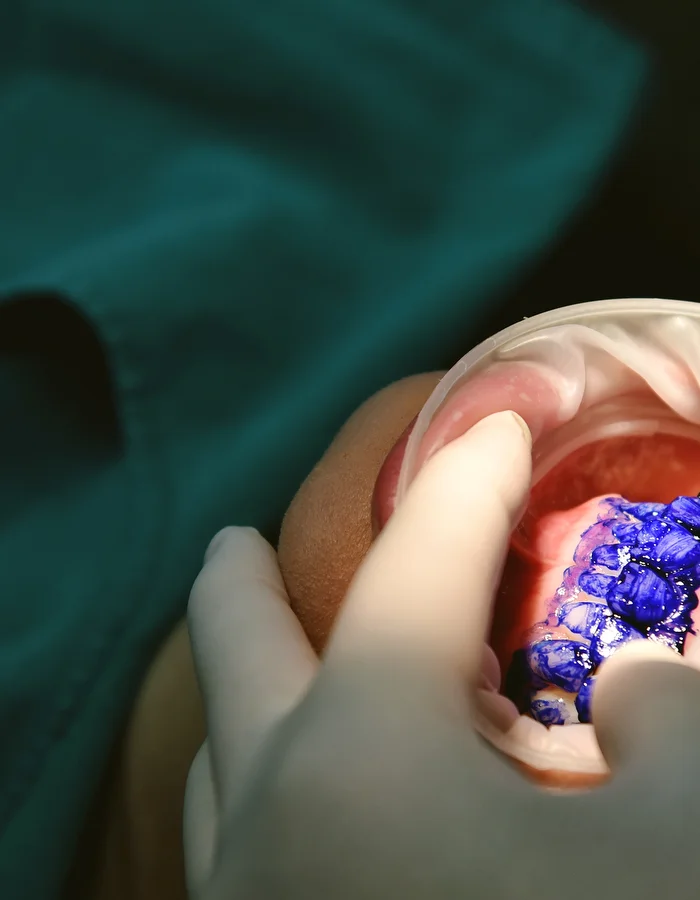
Caries Detection Dye
This special dye highlights areas of decayed tooth structure, allowing us to remove only what’s necessary and preserve as much healthy enamel as possible for more conservative dentistry.
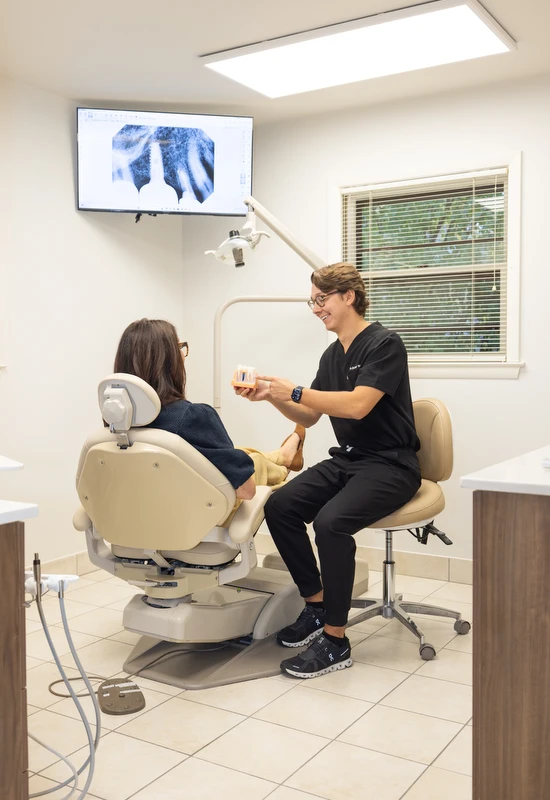
WHY TECH MATTERS
Why Our Technology Matters to You
Modern technology helps us diagnose problems earlier, plan treatments more effectively, and provide a more comfortable experience overall. From improved accuracy in restorative care to easier communication during exams, our tools are designed to make your visit smoother, safer, and more efficient — so you always feel confident in your care.
The short answer
The office uses digital X-rays, intraoral cameras, digital impressions, electric handpieces, ultrasonic scalers, an electronic apex locator and caries detection dye. Digital X-rays use significantly less radiation than traditional film, intraoral cameras show you the same images of your teeth and gums that the dentist sees, and digital scans replace messy trays and putty for crowns, bridges and nightguards. Electric handpieces and ultrasonic scalers make treatment smoother and quieter, while the apex locator and detection dye help the dentist work precisely and keep healthy tooth structure.
Port Road Dental: Frequently Asked Questions
- Why Is Advanced Dental Technology Important in My Care?
- Advanced tools help the dentist detect issues earlier, deliver more precise treatment and make your visit faster and more comfortable. Detailed digital images make it easier to diagnose concerns early and plan treatment accurately. Tools such as intraoral cameras also let you see what the dentist sees, so explanations during an exam are clearer.
- Are Digital X-Rays Safe?
- Yes, digital X-rays use significantly less radiation than traditional film. They also produce clearer, high-resolution images, which supports a more accurate diagnosis. Those detailed images help the dentist spot concerns early and plan treatment.
- What Do Intraoral Cameras Do?
- Intraoral cameras capture detailed, real-time images of your teeth and gums so you can see exactly what the dentist sees. They are small, handheld cameras that show high-definition images during your exam. Seeing the same picture improves communication and makes it easier to understand your oral health.
- Are Digital Impressions More Comfortable Than Traditional Molds?
- Yes, digital impressions replace messy trays and putty with a clean, quick and highly precise scan. The scan captures a 3D model of your teeth. That model is used for crowns, bridges, nightguards, aligners and other restorations, with improved accuracy.
- Why Do You Use Electric Handpieces Instead of Traditional Drills?
- Electric handpieces run more quietly and with less vibration than traditional drills, which makes treatment smoother and more comfortable. They also give the dentist more controlled movement. That added comfort and control matter most during restorative procedures.
- How Do Ultrasonic Scalers Help During Cleanings?
- Ultrasonic scalers use gentle vibrations and water to remove plaque and tartar efficiently, which makes cleanings more comfortable and effective. The approach is especially helpful for patients with sensitivity. Efficient removal also helps keep the hygiene visit smooth.
- What Is an Electronic Apex Locator?
- An electronic apex locator is a device used during root canal treatment to measure the exact length of the tooth’s canal. Knowing that length improves precision and comfort during treatment. It also helps reduce treatment time.
- What Is Caries Detection Dye?
- Caries detection dye is a safe dye that highlights areas of tooth decay. It shows the dentist which tooth structure is damaged, so only that part is removed. Preserving as much healthy structure as possible makes the treatment more conservative.