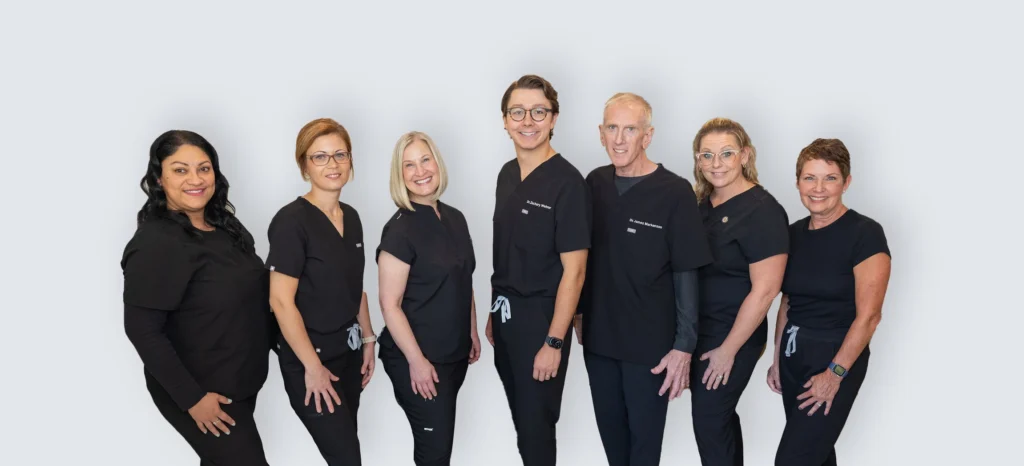

Gum Health & Smile Aesthetics
Gingivectomy in Fox Point, Wisconsin
Healthier gums and a more balanced smile at Port Road Dental.
At Port Road Dental in Fox Point, Wisconsin, gingivectomy is a gentle procedure that reshapes or removes excess gum tissue to improve both comfort and appearance. Whether you’re treating periodontal disease or a “gummy” smile, our team focuses on precise planning, comfort, and clear guidance at every step.

Gingivectomy

Gingivectomy at Port Road Dental
A gingivectomy carefully removes excess or diseased gum tissue to reduce pockets, make cleaning easier, and create a more natural-looking smile. At Port Road Dental in Fox Point, Wisconsin, we customize this procedure to your needs so your gums can be healthier, easier to care for, and more in harmony with your teeth.
What Is a Gingivectomy?
A gingivectomy is a minor surgical procedure that reshapes or removes small amounts of gum tissue. It is often recommended when deep pockets around the teeth trap bacteria, when gum tissue has been damaged by periodontal disease, or when there is extra gum covering the teeth and creating a “gummy” smile. By contouring the gums, we improve access for brushing and flossing and enhance the overall look of your smile.
- Reduces deep gum pockets Makes it easier to clean around teeth and manage periodontal disease.
- Improves smile balance Carefully reshapes excess gum tissue so more of each tooth shows when you smile.
- Supports long-term oral health Healthier gums can help protect the bone and teeth they support.
Our Gentle, Modern Approach
Before recommending a gingivectomy, we complete a thorough exam, review X-rays, and talk through your goals and concerns. During the procedure, we carefully numb the area, work in small sections, and check in with you frequently so you stay as comfortable as possible. Most patients are surprised by how quick and manageable the visit feels.
- Thorough periodontal charting to measure pocket depths and plan treatment
- Precise instruments and conservative tissue removal to protect healthy areas
- Comfort-focused local anesthetic and numbing techniques
- Clear, written aftercare instructions to support smooth healing
Healing, Results & Next Steps
After a gingivectomy, it’s common to experience mild tenderness or sensitivity for a few days as the gums heal. We’ll show you how to keep the area clean, what to eat while you recover, and when to return for follow-up care. Most patients notice their gums look and feel better as healing progresses and cleaning becomes easier. If you’ve been told you have deep pockets, gum disease, or a gummy smile, schedule a visit with Port Road Dental to see whether gingivectomy is the right option for you.
Ready to learn more? Contact our Fox Point office to schedule a personalized evaluation and talk through your treatment options with our team.


The short answer
A gingivectomy is a minor surgical procedure that removes or reshapes small amounts of excess or diseased gum tissue around the teeth. After a thorough exam, X-rays, and periodontal charting to measure pocket depths, the dentist numbs the area and works in small sections with precise instruments, removing tissue conservatively to protect healthy areas. It is used to reduce deep pockets that trap bacteria, treat gum tissue damaged by periodontal disease, and reshape extra gum that creates a “gummy” smile, which also makes brushing and flossing easier.
Gingivectomy: Frequently Asked Questions
- Why would I need a gingivectomy?
- You may need a gingivectomy if you have deep gum pockets that trap bacteria, gum tissue damaged by periodontal disease, or extra gum covering your teeth and creating a “gummy” smile. Removing and reshaping this tissue can improve gum health and make cleaning easier. It can also enhance your smile’s appearance by letting more of each tooth show.
- Is a gingivectomy painful?
- A gingivectomy should not cause sharp pain, because the area is gently numbed first and you should feel only pressure or movement. Some soreness afterward is normal, similar to a scraped knee, and usually improves over a few days. Over-the-counter pain relief and following the home-care instructions are typically enough to keep you comfortable.
- What is recovery like after gingivectomy?
- Most patients return to normal daily activities the same day or the next. You may notice mild tenderness, temporary sensitivity to hot or cold, and a need to favor softer foods at first. Keeping the area clean as instructed and attending follow-up visits helps your gums heal smoothly.
- Will my gums grow back after the procedure?
- The excess or diseased tissue that is removed does not typically grow back in the same way. The goal is to remove only the amount of gum tissue needed for health and aesthetics, although gums can swell as they heal after treatment. Good home care and regular checkups help maintain your results.
- How long do the results of a gingivectomy last?
- With consistent brushing, flossing, and professional cleanings, the benefits of a gingivectomy can be long-lasting. Healthier gums can help protect the bone and teeth they support. If you have a history of gum disease, more frequent periodontal maintenance visits may be recommended to keep your gums stable over time.
- How much does a gingivectomy cost?
- The cost of a gingivectomy depends on how many teeth or areas are treated and whether additional periodontal therapy is needed. During your consultation, you will receive a personalized estimate and a review of your options. The team will also discuss payment or financing solutions that fit your budget.
- Will my dental insurance cover gingivectomy?
- Many plans offer coverage when a gingivectomy is performed for periodontal disease or functional reasons. Coverage for cosmetic-only treatment may be more limited. The team can review your benefits, submit any necessary information, and help you understand your out-of-pocket costs.
- How do I know if I’m a candidate for gingivectomy?
- The way to find out if you are a candidate for gingivectomy is to schedule an exam at the Fox Point office. Your dentist will evaluate your gums, measure pocket depths, and take any needed X-rays. You will then hear whether gingivectomy or another treatment would be the most appropriate option for your smile.
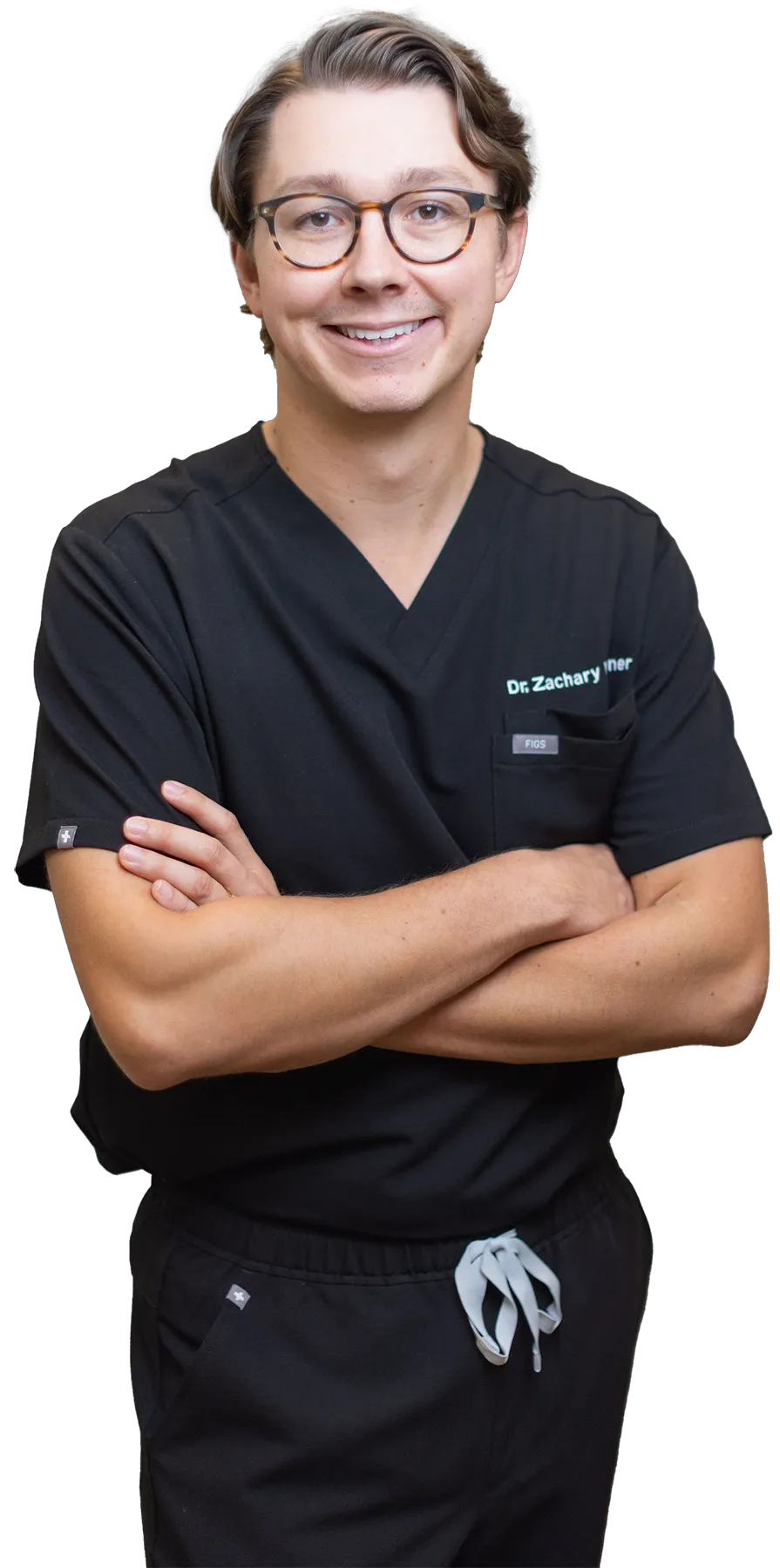
Dr. Zach Wehner
Learn more
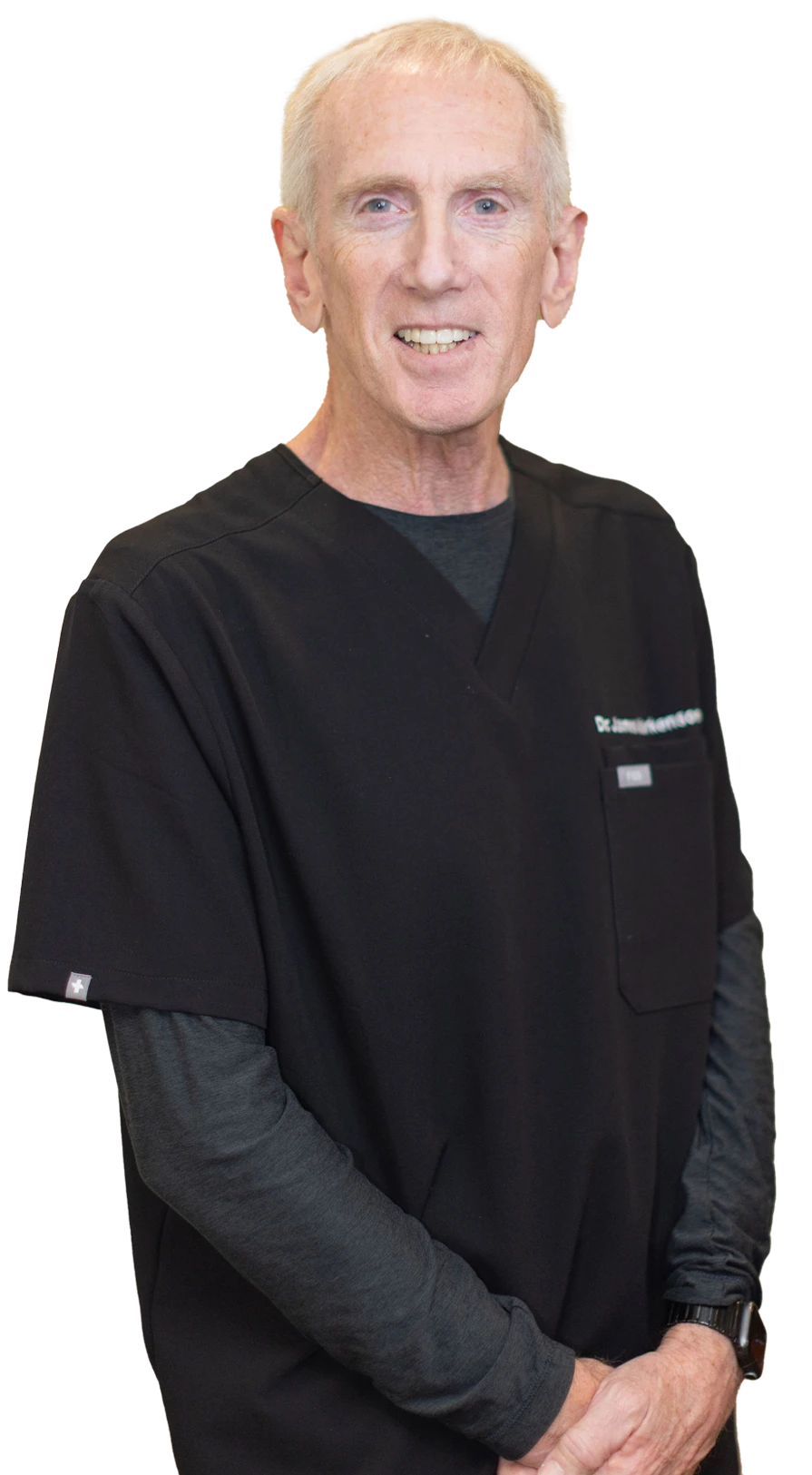
Dr. James Markenson
Learn more
“Comfortable & Caring”
“Port Road Dental made me feel completely at ease from the moment I walked in. Everyone was friendly, gentle, and took the time to explain each step. I’ve never felt more comfortable at a dental office.”

“Exceptional Every Visit”
“Every appointment at Port Road Dental is smooth, professional, and stress-free. The team is patient, attentive, and truly focused on my comfort. I always leave feeling confident about my care.”