
Conservative Tooth Restoration
Inlays and Onlays in Fox Point, Wisconsin
Repair damaged teeth with strong, natural-looking restorations at Port Road Dental.
When a simple filling is not enough—but a full dental crown feels like too much—custom inlays and onlays can be the perfect middle ground. At Port Road Dental in Fox Point, Wisconsin, we use these precise restorations to rebuild strength, protect weakened teeth, and keep your smile looking beautifully natural. Our team will walk you through every step so you feel informed, comfortable, and confident in your care.

Inlays and Onlays
Inlays and Onlays at Port Road Dental
Inlays and onlays are custom-made restorations that repair moderate damage or decay while preserving as much of your natural tooth as possible. At Port Road Dental in Fox Point, Wisconsin, we use high-quality materials and careful planning to restore your bite, protect your teeth, and blend seamlessly with your smile.
What Are Inlays and Onlays?
Inlays and onlays are lab-created pieces that bond securely to your tooth. An inlay fits within the grooves on the chewing surface, while an onlay covers one or more cusps when more support is needed. They are often made from tooth-colored porcelain or ceramic for a natural appearance.
- Inlays Restore the area inside the chewing surface of the tooth when a cavity is too large for a standard filling.
- Onlays Cover one or more cusps to reinforce weakened tooth structure.
- Custom, Tooth-Colored Materials Modern ceramics are designed to match your natural enamel and resist staining.
When Are Inlays and Onlays Recommended?
Our dentists may recommend an inlay or onlay when a filling would not provide enough support or when a full crown would remove more healthy tooth structure than necessary. After a thorough exam and digital imaging, we will explain your options and help you decide what best fits your needs.
- Large or Recurrent Cavities Replace old, failing fillings or restore areas of deeper decay without placing a full crown.
- Cracked or Fractured Teeth Support weakened enamel so you can chew comfortably and reduce the risk of further breakage.
- Worn or Flattened Biting Surfaces Rebuild a smooth, balanced bite to protect your jaw joints and remaining teeth.
What to Expect During Treatment
Your comfort is our priority from start to finish. Treatment typically takes two visits. At the first appointment, we gently numb the area, remove decay or old filling material, and shape the tooth. We then take precise impressions, place a temporary restoration, and send your case to a trusted dental lab. At your second visit, we bond the finished inlay or onlay in place, make fine adjustments, and polish it so it feels smooth and natural.
- Careful bite analysis to ensure comfortable chewing and long-term stability.
- Tooth-colored materials selected to blend with your surrounding teeth.
- Strong bonding techniques that help seal and protect the tooth underneath.
Long-Term Benefits and How to Get Started
With good brushing, flossing, and regular visits, inlays and onlays can last many years and help you avoid more extensive treatment in the future. If you have a cracked tooth, a large filling, or lingering sensitivity when you chew, our team can let you know if this type of restoration is right for you. Call (414) 351-6300 to schedule an appointment with Port Road Dental or request a visit online to discuss how inlays and onlays can protect your smile.


The short answer
Inlays and onlays are custom-made, lab-created restorations that bond to a tooth to repair moderate damage or decay while preserving as much natural tooth as possible. Treatment typically takes two visits: the tooth is numbed, cleaned of decay or old filling material and shaped, then the finished inlay or onlay is bonded, adjusted and polished. They are used when a filling would not give enough support but a full crown would remove more healthy tooth than necessary.
Inlays and Onlays: Frequently Asked Questions
- How are inlays and onlays different from regular fillings?
- Inlays and onlays are custom-made outside the mouth and then bonded into place, while traditional fillings are placed directly into the tooth in a single visit. Because they are made to fit, they are more durable and precise. That makes them ideal for larger areas of damage.
- When would I need an onlay instead of a crown?
- An onlay is often recommended when a tooth needs more support than a filling can provide, but enough healthy tooth remains that a full crown is not necessary. An onlay covers one or more cusps to reinforce the tooth. This preserves more of your natural tooth structure while still strengthening and protecting it.
- Is getting an inlay or onlay painful?
- Most patients feel little to no discomfort when getting an inlay or onlay. The area is gently numbed before treatment begins, and the team checks in with you throughout the visit. You may feel mild soreness afterward, which usually resolves within a day or two.
- How long do inlays and onlays last?
- With proper care, inlays and onlays can last many years. Their longevity depends on factors like your bite, oral hygiene, and habits such as clenching or grinding. Regular checkups allow the dentist to monitor the restoration and your overall oral health.
- Will my inlay or onlay look natural?
- Yes, an inlay or onlay is designed to look natural. Tooth-colored materials are carefully matched to your surrounding teeth. Once the restoration is bonded and polished, most people cannot tell where it ends and your natural tooth begins.
- Can inlays and onlays break or come loose?
- Although it is rare, an inlay or onlay can chip or loosen, as any restoration can. This usually happens under heavy forces, such as biting ice or grinding your teeth. If your tooth ever feels rough, high, or sensitive, contact the office so it can be evaluated and any needed repairs made.
- How should I care for my tooth after treatment?
- After treatment, brush twice daily with a soft toothbrush, floss carefully around the restored tooth, and keep up with routine dental visits. Avoid chewing very hard objects. Let the office know if you experience persistent discomfort or changes in your bite.
- Are inlays and onlays covered by dental insurance?
- Many insurance plans provide partial coverage for inlays and onlays when they are needed to restore damaged teeth. The team in Fox Point, Wisconsin, will review your benefits and provide an estimate before treatment. They will also help you understand your out-of-pocket costs.
- How do I schedule an appointment?
- To schedule an appointment, call (414) 351-6300 or contact the Fox Point, Wisconsin, office online. The team will be happy to reserve a convenient time. They can also answer any questions about whether an inlay or onlay is right for you.

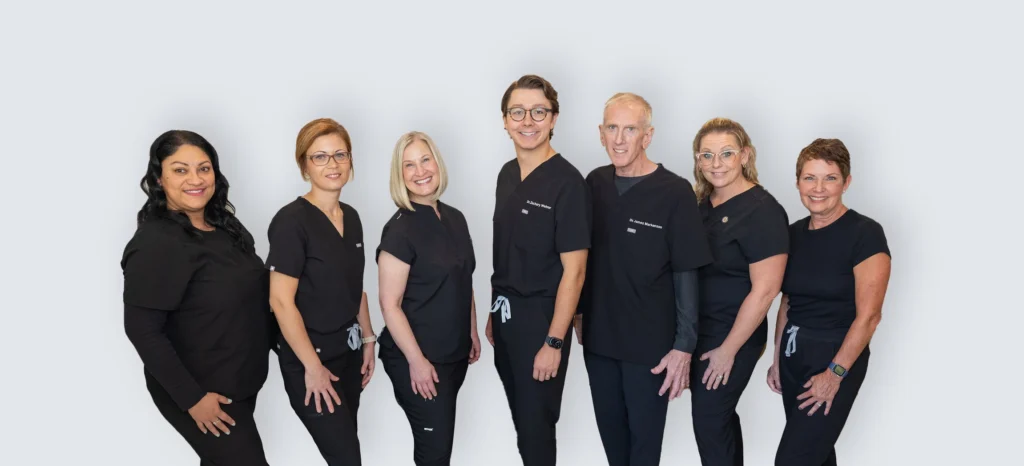
Dr. Zach Wehner
Learn more

Dr. James Markenson
Learn more
“Comfortable & Caring”
“Port Road Dental made me feel completely at ease from the moment I walked in. Everyone was friendly, gentle, and took the time to explain each step. I’ve never felt more comfortable at a dental office.”

“Exceptional Every Visit”
“Every appointment at Port Road Dental is smooth, professional, and stress-free. The team is patient, attentive, and truly focused on my comfort. I always leave feeling confident about my care.”