
Dental implants and tooth replacement
Dentist for River Hills Residents
Dental implants, implant dentures, bridges and partial dentures.
River Hills is a village in Milwaukee County on the Milwaukee River, and residents who are missing one tooth or several often come to the practice’s Fox Point office to talk through replacement. The options here include dental implants, implant-supported dentures, bridges and partial dentures, and the right choice depends on how many teeth are missing and the health of your gums and the bone that remains. Implant care starts with a free consultation, where the team assesses your oral health, discusses your goals and explains your options. If bone has been lost, procedures such as bone grafting or a sinus lift can often rebuild the area first. The team also reviews your insurance benefits and the expected costs before any treatment begins.

Dentist for River Hills Residents
Replacing Missing Teeth: Comparing Your Options
There is no single answer for a missing tooth. The sections below set out each option, what it involves and what to ask at your consultation.
River Hills and the North Shore
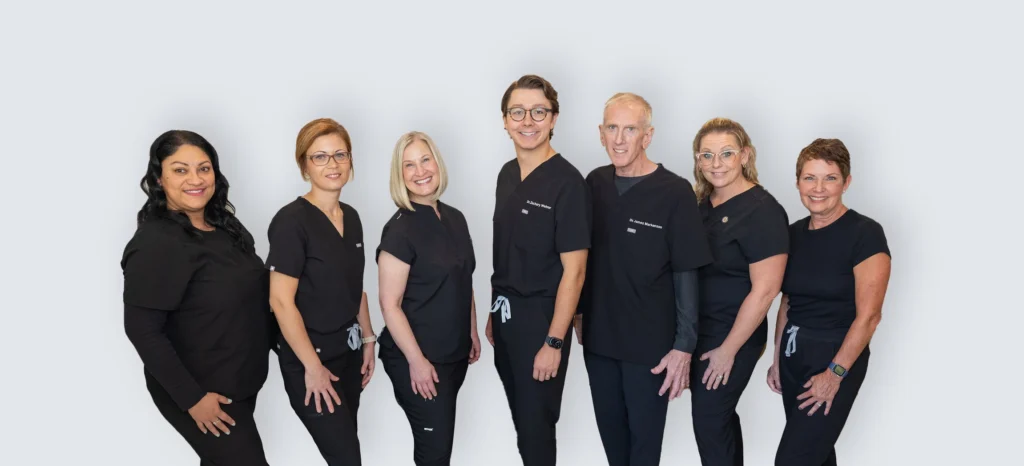
River Hills is a Milwaukee County village on the Milwaukee River, home to the Lynden Sculpture Garden and next to Bayside. Its residents are part of the North Shore community the practice serves from its Fox Point office on N Port Washington Rd. The office has two general dentists, Dr. James Markenson and Dr. Zach Wehner.
Four Ways to Replace Teeth
- Dental implants A small titanium post placed in the jawbone that acts like a tooth root and can carry a crown, a bridge or a denture.
- Implant-supported dentures A full or partial denture that snaps or clips onto implants, so it rubs and slips less than one resting on the gums.
- Bridges Crowns on the neighboring teeth hold replacement teeth across the gap, without a removable denture.
- Partial dentures A removable appliance that uses your remaining teeth for support and can be adjusted, relined or repaired later.
Why Replace a Missing Tooth at All
- Chewing and speaking are easier when the gap is filled
- Neighboring teeth are less likely to drift out of position
- Implants stimulate the jawbone, which helps prevent the sunken look that can follow tooth loss
- Filled gaps keep the remaining teeth easier to clean
The Implant Process, Step by Step
- A comprehensive exam and 3D imaging of your bone, gums and overall oral health
- A treatment plan for how many implants you need and the restoration that suits you
- Implant placement with gentle anesthesia and clear aftercare instructions
- A healing period, usually a few months, while the implant fuses with the bone
- Your custom crown, bridge or implant denture, fitted to your bite
From start to finish the process can take several months, depending on healing and whether other procedures come first.
When There Is Not Enough Bone
Bone can shrink where a tooth has been missing for a long time. Bone grafting rebuilds the area so an implant has a stable base, and in the upper back jaw a sinus lift may be used for the same purpose. Even patients who have worn dentures for years or been told they have bone loss may still qualify with this kind of help.
If You Already Wear a Denture
A loose denture that rocks when you chew, causes sore spots or needs a lot of adhesive may only need relining, which reshapes its fitting surface. If it still will not stay put, an implant-supported denture can be removable for cleaning or fixed in place, and the two options are compared at your consultation.
Consultation, Coverage and Cost
Your first implant consultation is free; the details are on the promotions page. Coverage for implants varies by plan, and some policies help with parts of treatment such as the crown or an extraction. The team reviews your benefits and gives you an estimate before you start, and CareCredit financing and payment plans are available.


The short answer
River Hills residents can see a dentist at the office on N Port Washington Rd in Fox Point, where Dr. James Markenson and Dr. Zach Wehner help patients replace one missing tooth or several. Options include dental implants, implant-supported dentures, bridges and partial dentures, and the right choice depends on how many teeth are missing and the health of your gums and remaining bone. Implant care starts with a free consultation, and the team reviews your insurance benefits and expected costs before any treatment begins.
River Hills Residents: Frequently Asked Questions
- Is the office in River Hills?
- No, the office is in Fox Point at 7725 N Port Washington Rd, WI 53217. River Hills residents are part of the North Shore community it serves. The office has two general dentists, Dr. James Markenson and Dr. Zach Wehner.
- Is the implant consultation really free?
- Yes, your first dental implant consultation is free. The team assesses your oral health, talks about your goals and explains your treatment options. You leave with clear answers and a plan for restoring your smile.
- Am I a candidate for dental implants?
- Many adults with one or more missing teeth are good candidates for dental implants. Healthy gums, enough bone and good overall health are the main factors. If bone has been lost, grafting or another supportive procedure may still make an implant possible, and this is reviewed at your consultation.
- How long do dental implants last?
- With good brushing and flossing and regular checkups, implants are designed to last many years. The crown on top may need replacing over time because of normal wear. The implant post itself can often last decades.
- How is an implant denture different from a regular denture?
- An implant denture is anchored to implants in the jaw instead of resting on the gums. That makes it more stable for chewing and speaking, with fewer sore spots. It can be made to snap in and out for cleaning or to stay fixed in place.
- Will insurance pay for implants?
- It depends on your plan, since coverage for implants varies. Some policies help with parts of treatment, such as the crown or an extraction. The team reviews your benefits and explains your expected out-of-pocket cost before you start. CareCredit financing and payment plans are also available.
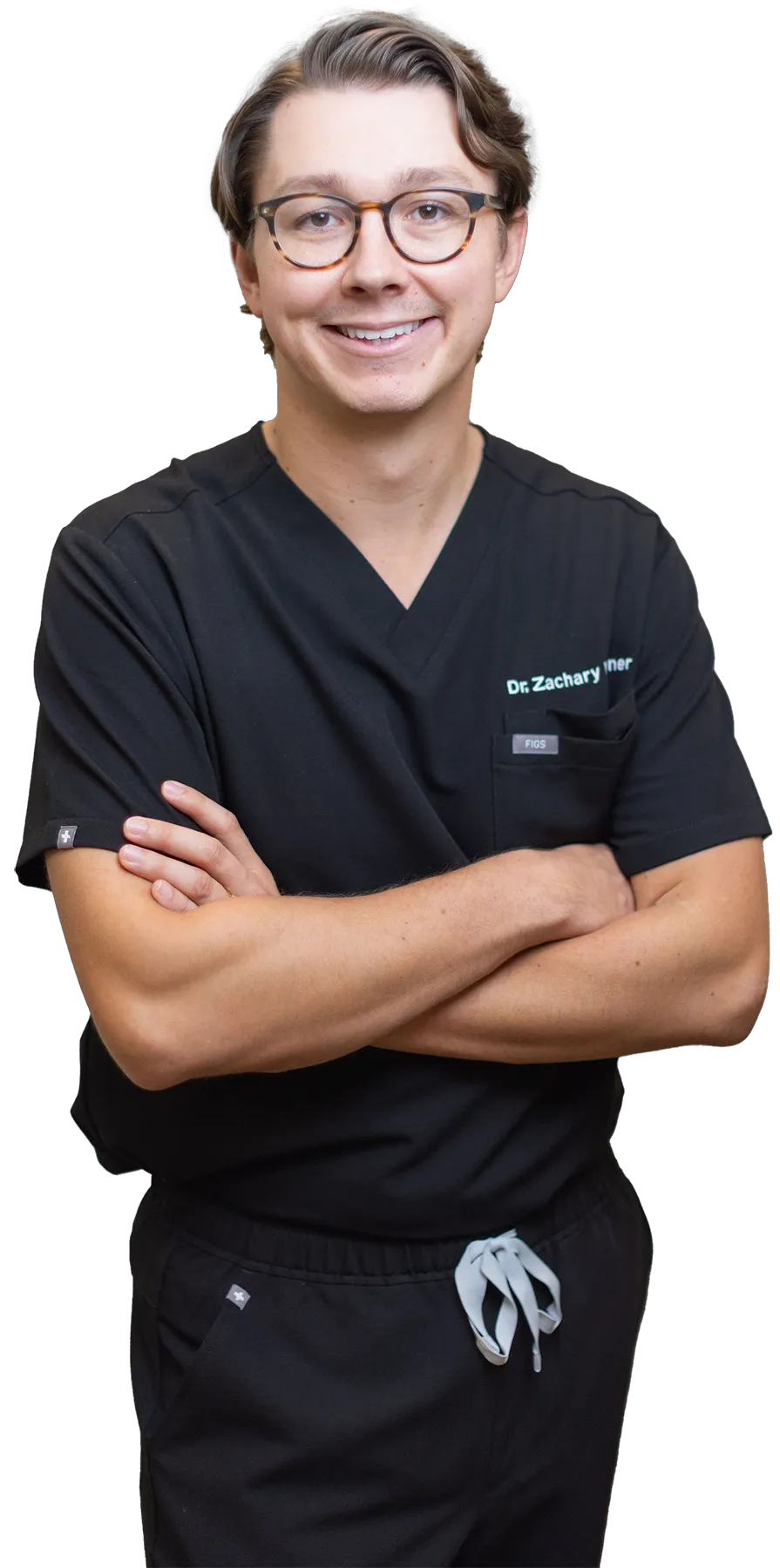
Dr. Zach Wehner
Learn more
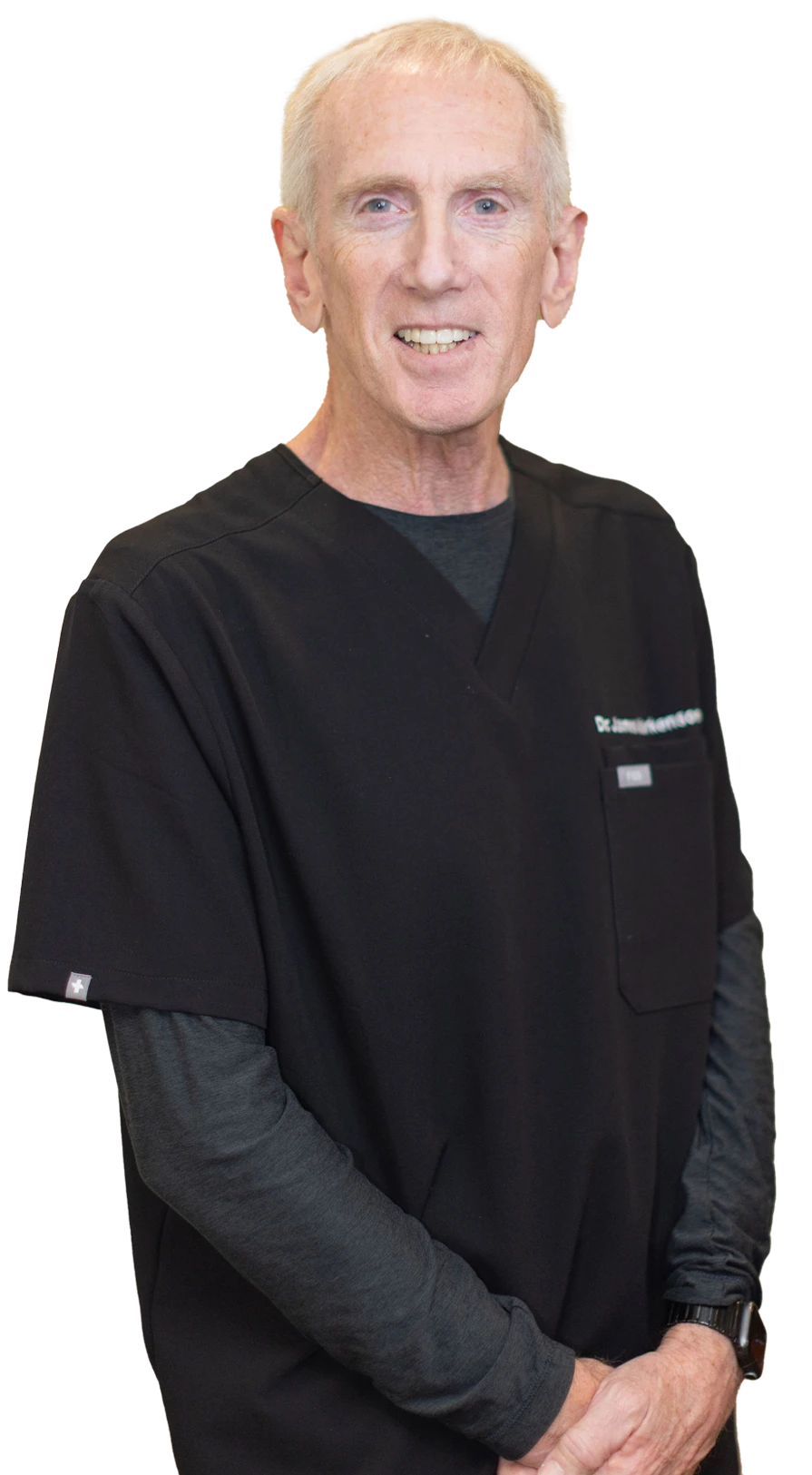
Dr. James Markenson
Learn more
“Comfortable & Caring”
“Port Road Dental made me feel completely at ease from the moment I walked in. Everyone was friendly, gentle, and took the time to explain each step. I’ve never felt more comfortable at a dental office.”

“Exceptional Every Visit”
“Every appointment at Port Road Dental is smooth, professional, and stress-free. The team is patient, attentive, and truly focused on my comfort. I always leave feeling confident about my care.”