
Implant & Gum Support
Bone Grafts in Fox Point, Wisconsin
Rebuild lost jawbone so your smile can stay strong, stable, and ready for future care at Port Road Dental.
When bone has thinned or shrunk, a gentle bone graft can restore support for your teeth, gums, and dental implants. At Port Road Dental in Fox Point, Wisconsin, we carefully plan each graft so you can chew comfortably, protect your smile, and move forward with treatment confidently.

Bone Grafts
Bone Grafts at Port Road Dental
Bone grafts are simple, highly planned procedures that add support where the jawbone has thinned or been lost. At Port Road Dental in Fox Point, Wisconsin, we use modern materials and precise techniques to rebuild bone, strengthen your bite, and create a healthy foundation for future treatments like implants, bridges, or dentures.
Why Bone Loss Happens
Jawbone is living tissue that needs stimulation from your teeth to stay strong. When a tooth is removed, shifts out of position, or gum disease damages the surrounding area, the jawbone can start to shrink. Over time this loss can change your appearance, affect your bite, and reduce your options for replacing missing teeth.
- After Tooth Removal A graft can be placed at the time of an extraction to preserve bone volume for future treatment.
- Before Dental Implants Additional bone can be added so an implant has enough support to stay stable long term.
- Support for Dentures or Bridges Strengthening the jaw can improve the fit and comfort of your restorations.
- Protection for Your Smile Rebuilding bone helps support neighboring teeth and reduces the risk of further shifting or breakdown.
How a Bone Graft Works
During a bone graft, your dentist gently places bone-grafting material in the area where support is needed, then covers it with a protective membrane. Over the next several months, your body gradually grows new bone and integrates it with the grafted material, creating a stronger, more stable jaw.
- Careful 3D imaging and X-rays to map out the bone and nearby anatomy.
- Biocompatible graft materials selected for your unique needs and health history.
- Comfort-focused numbing and, when appropriate, calming options to ease anxiety.
- Protective membranes and suturing techniques that support clean, predictable healing.
Healing, Comfort, and Next Steps
Most patients are surprised by how manageable recovery feels after a bone graft. You may notice mild swelling or soreness for a few days, which is typically controlled with over-the-counter medication and home-care instructions from our team. As the graft heals, we’ll see you for follow-up visits and let you know when your bone is ready for the next step, such as placing a dental implant.
If you have missing teeth, are planning implants, or have been told you have bone loss, our dentists can review your options and explain whether a bone graft is right for you. To schedule a visit with Port Road Dental in Fox Point, Wisconsin, call our office at (414) 351-6300 or contact us online to request an appointment.


The short answer
A dental bone graft is a procedure that adds bone or bone-like material to areas of the jaw that have thinned or shrunk, so the jaw has enough support for your teeth and future dental work. With the area numbed, the dentist places biocompatible grafting material where support is needed and covers it with a protective membrane, and over the next several months your body grows new bone that integrates with the graft. Grafts are used at the time of an extraction to preserve bone volume, before dental implants that need more support, and to improve the fit and comfort of dentures or bridges.
Bone Grafts: Frequently Asked Questions
- What is a dental bone graft?
- A dental bone graft is a procedure that adds bone or bone-like material to areas of your jaw that have thinned or shrunk. The graft supports your existing bone and encourages your body to grow new bone in that area. Over the next several months, the new bone integrates with the grafted material, creating a stronger, more stable jaw.
- Why might I need a bone graft before getting a dental implant?
- You may need a bone graft first because dental implants need strong, healthy bone to stay stable. Bone can be lost after a tooth extraction, from gum disease, or simply over time. When that happens, a graft can rebuild enough support so an implant can be placed safely and predictably.
- Is a bone graft painful?
- A bone graft should not be painful during the procedure, because the area is numbed and you should feel only pressure. Some soreness or swelling afterward is common, but it is usually mild. It is typically manageable with recommended medications and the home-care instructions your dentist provides.
- What materials are used for bone grafts?
- Bone grafts typically use biocompatible materials that are carefully selected for your health and treatment goals. The choice depends on your unique needs and health history. Your dentist will explain which type of graft is recommended in your case and why.
- How long does it take a bone graft to heal?
- Initial healing after a bone graft usually takes one to two weeks, but the bone-building process continues beneath the surface for several months. In many cases, implants can be placed after three to six months. The exact timing depends on the size and location of the graft, and your dentist will let you know at follow-up visits when the bone is ready.
- Are there risks with bone grafting?
- As with any procedure, bone grafting carries small risks, such as infection, graft failure, or delayed healing. Your treatment is planned carefully and your health history is reviewed beforehand. You also receive clear instructions afterward to help minimize these risks.
- Will insurance cover a bone graft?
- Coverage for a bone graft varies by plan and depends on whether the graft is considered medically or dentally necessary. The office team can review your benefits and provide an estimate. That way you understand any out-of-pocket costs before treatment begins.
- What can I eat after a bone graft?
- After a bone graft, soft foods are usually recommended, and you should avoid chewing directly on the graft site while it heals. Your dentist will give you specific dietary guidelines based on the location and size of your graft. You will also receive home-care instructions to follow while the area heals.
- How do I know if I am a candidate for a bone graft?
- If you have missing teeth, bone loss, or have been told you do not have enough bone for an implant, a consultation is the right first step. At that visit, your dentist examines your mouth, reviews imaging, and discusses your options. You can call the Fox Point office at (414) 351-6300 to schedule a consultation.

Dr. Zach Wehner
Learn more
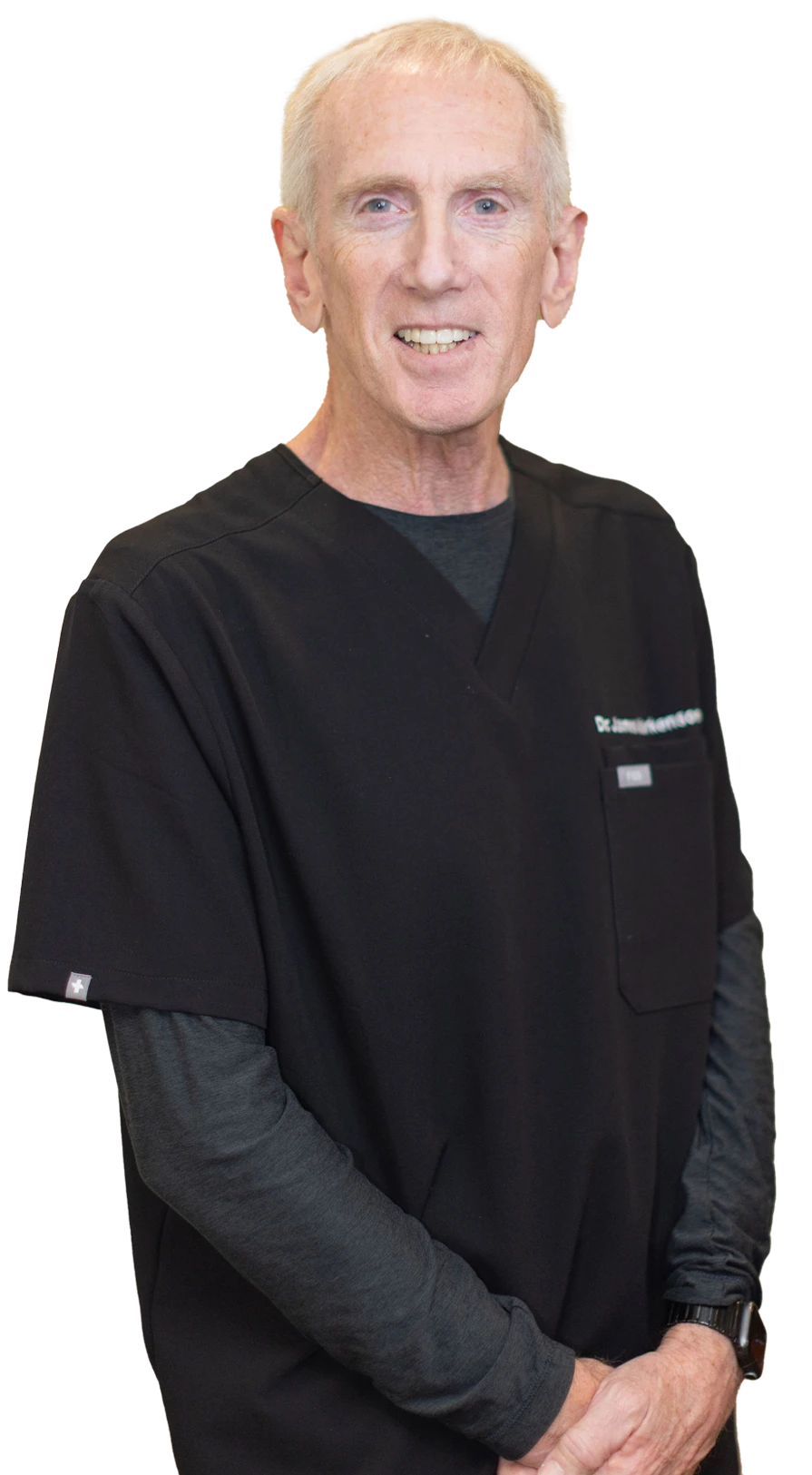
Dr. James Markenson
Learn more
“Comfortable & Caring”
“Port Road Dental made me feel completely at ease from the moment I walked in. Everyone was friendly, gentle, and took the time to explain each step. I’ve never felt more comfortable at a dental office.”

“Exceptional Every Visit”
“Every appointment at Port Road Dental is smooth, professional, and stress-free. The team is patient, attentive, and truly focused on my comfort. I always leave feeling confident about my care.”