
Emergency Dental Care
Tooth Injury Treatment in Fox Point, Wisconsin
Fast, gentle care for chipped, cracked, or knocked-out teeth at Port Road Dental.
If you or your child has a tooth injury, you need calm guidance and quick, reliable care. At Port Road Dental in Fox Point, Wisconsin, our team focuses on relieving pain, protecting your smile, and helping you know exactly what to do next. Call us right away so we can walk you through the steps and reserve time for your emergency visit.

Tooth Injury
Tooth Injury Care at Port Road Dental
Tooth injuries can happen in an instant—during sports, a fall, or even while biting something hard—but quick treatment can often save the tooth and prevent long-term problems. At Port Road Dental in Fox Point, Wisconsin, we offer prompt, compassionate care to manage pain, repair damage, and restore your smile as comfortably as possible.
Common Types of Tooth Injuries
Every injury is different, so our first priority is understanding what happened and how the tooth has been affected. From small chips to severe fractures, we tailor your treatment to protect your tooth and your overall health.
- Chipped or cracked teeth We smooth rough edges and repair damage with bonding, fillings, or crowns.
- Knocked-out teeth If you act quickly, we may be able to replant and stabilize the tooth.
- Loose or displaced teeth We gently reposition and support injured teeth to encourage healing.
- Tooth pain after an accident We check for hidden fractures, nerve damage, or infection that might not be visible at home.
What to Do Right After a Tooth Injury
Staying calm and taking the right steps in the first few minutes after an injury can make a big difference. If you are unsure what to do, call our team and we will guide you over the phone until you arrive.
- Call our office as soon as possible Tell us what happened so we can recommend immediate steps and arrange an urgent visit.
- Handle the tooth carefully if it is knocked out Hold it by the crown, gently rinse if dirty, and keep it moist in milk or your cheek—never scrub the root.
- Protect the area and ease discomfort Use a cold compress on the cheek, avoid chewing on the injured side, and use over-the-counter pain relief as directed.
How We Treat Tooth Injuries
During your visit, we perform a thorough exam, take any needed X-rays, and discuss your options in clear, simple terms. Our goal is to relieve pain quickly, preserve as much natural tooth structure as possible, and create a long-lasting result that looks and feels natural.
- Comprehensive exams and digital X-rays to evaluate chips, fractures, and root or bone involvement.
- Tooth-colored fillings and bonding to repair small chips and cracks with a natural appearance.
- Crowns, root canal therapy, or replacement options for more extensive damage to protect your long-term oral health.
If you or a family member experiences a tooth injury, do not wait and hope it improves on its own. Contact Port Road Dental in Fox Point, Wisconsin at (414) 351-6300 so we can help you feel better and protect your smile as soon as possible.


The short answer
Tooth injury treatment is prompt dental care for teeth that are chipped, cracked, loose, displaced or knocked out, aimed at relieving pain and saving the tooth. It starts with a thorough exam and any needed digital X-rays, followed by repair such as smoothing, bonding, fillings or crowns, repositioning a loose tooth, or root canal therapy or replacement for more extensive damage. Quick treatment can often save an injured tooth and prevent long-term problems such as infection.
- What should I do immediately after a tooth injury?
- Immediately after a tooth injury, stay calm and call the office so the team can advise you based on your situation. If a tooth is knocked out, hold it by the crown (the top), gently rinse it if needed, and keep it moist in milk or in your cheek while you travel to the office. Do not scrub the root.
- How soon should I see a dentist for a tooth injury?
- A tooth injury should be evaluated as soon as possible, ideally the same day, and within an hour for a knocked-out tooth. Fast treatment improves the chances of saving the tooth. It also reduces the risk of pain or infection.
- Is treatment for a tooth injury painful?
- Treatment for a tooth injury is kept as comfortable as possible with gentle techniques and local anesthetic. Your comfort is a priority during both evaluation and treatment. The team will explain each step so you know what to expect and can ask questions at any time.
- Do all chipped or cracked teeth need treatment?
- Not every chipped or cracked tooth needs the same treatment, but every one should be examined. Even small chips can sometimes lead to sensitivity, sharp edges, or deeper cracks over time. An exam determines whether polishing, bonding, or another treatment is needed to protect the tooth.
- What if my tooth looks fine but still hurts after an accident?
- Tooth pain after an accident without obvious damage may indicate a hidden crack, a bruised ligament, or nerve irritation. An exam and X-rays can reveal problems that are not visible at home. Finding them early helps prevent future complications.
- Should I go to the emergency room or the dentist for a tooth injury?
- Go to the emergency room first if you have heavy bleeding, trouble breathing, or a serious facial injury. For most dental-specific injuries, such as chipped, cracked, or knocked-out teeth, calling the Fox Point, Wisconsin dental office is the right first step. The team can guide you over the phone until you arrive.
- Will my insurance cover treatment for a tooth injury?
- Many dental plans provide coverage for emergency exams and medically necessary treatment, but benefits vary. The team can review your insurance information and estimate costs. They will also discuss payment options before treatment whenever possible.
- How can I prevent future tooth injuries?
- You can lower your risk of future tooth injuries by wearing a custom athletic mouthguard during sports. Avoiding chewing on ice or hard objects also helps. Maintaining regular checkups adds a further layer of protection against future injuries.
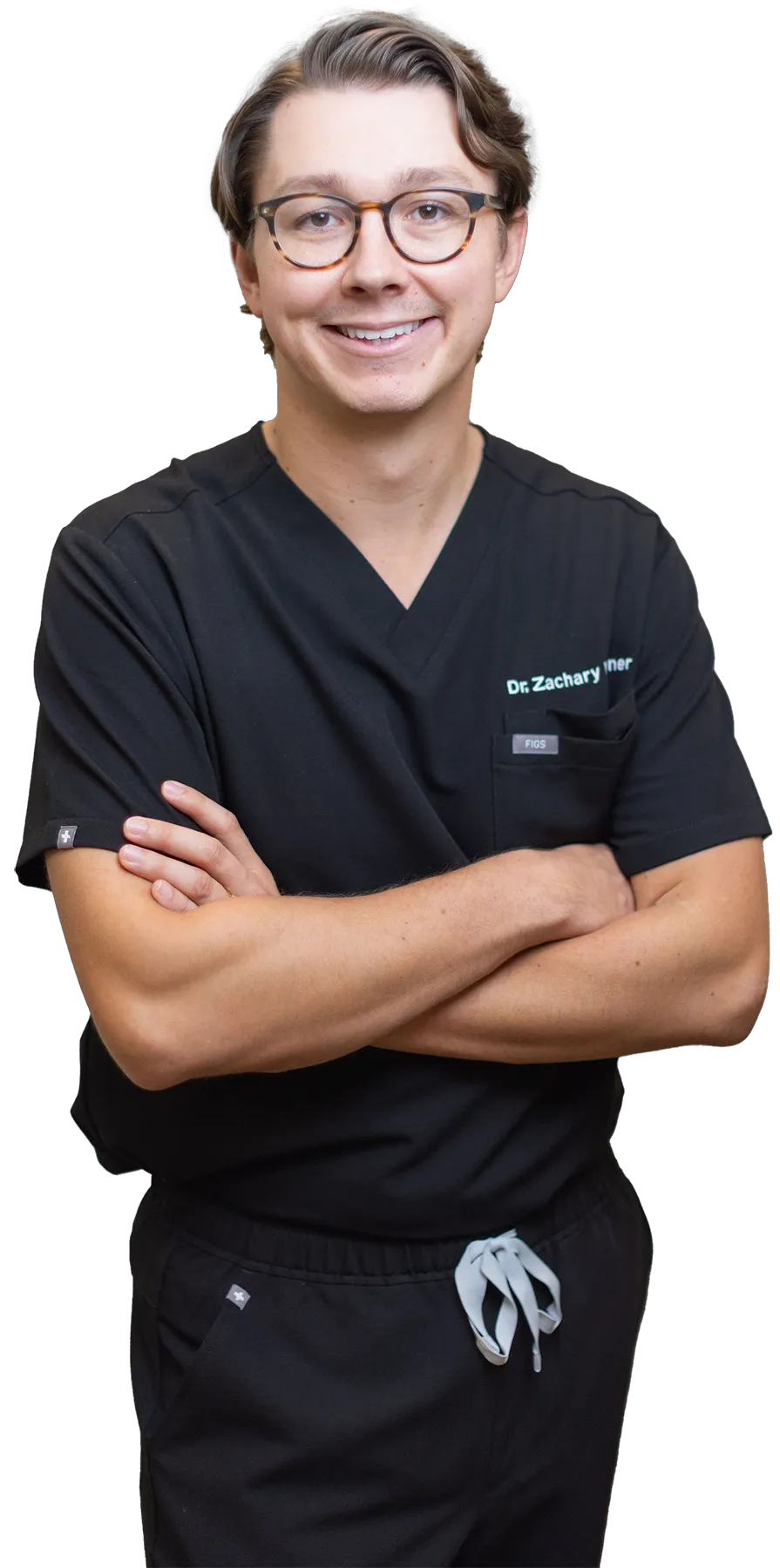
Dr. Zach Wehner
Learn more
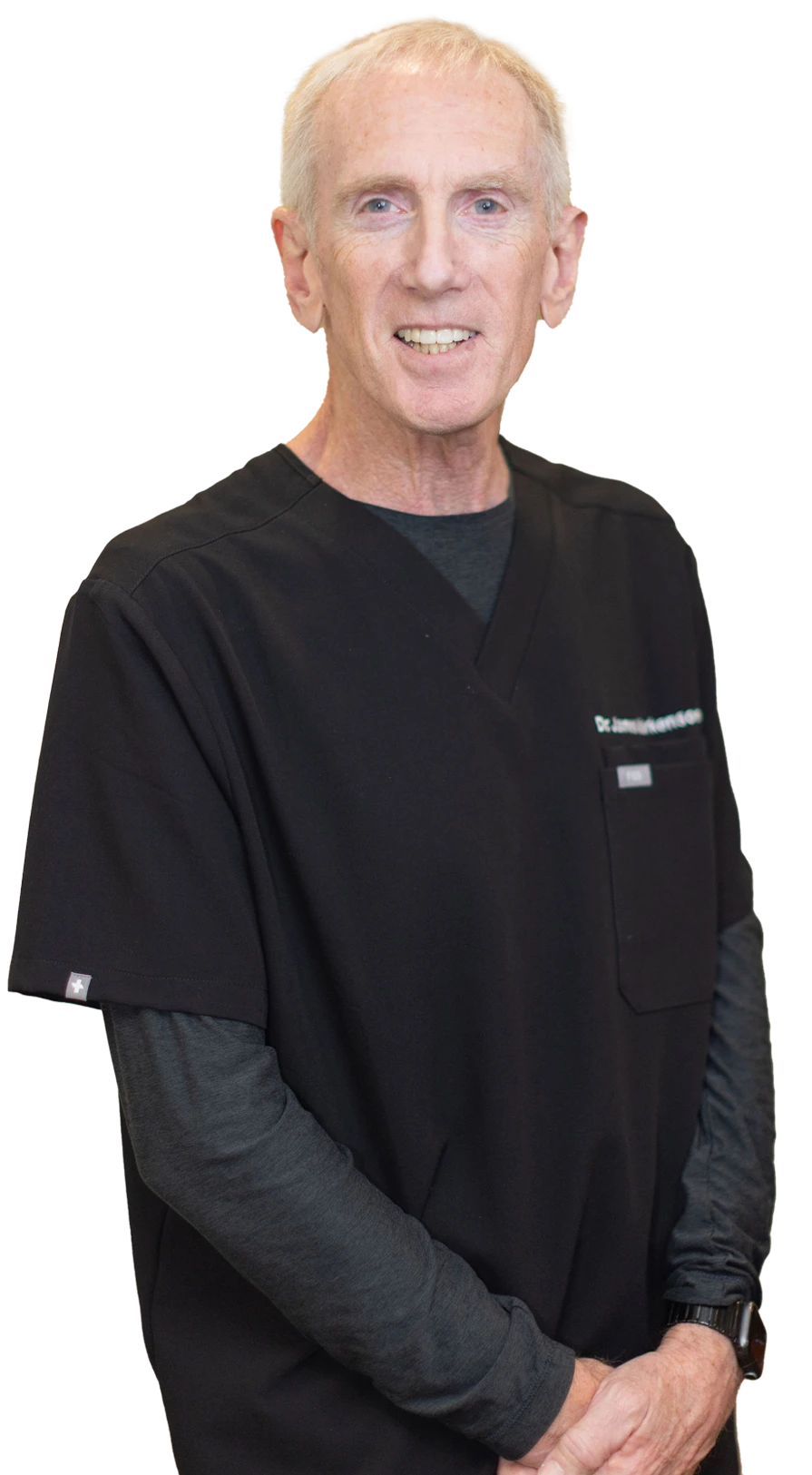
Dr. James Markenson
Learn more
“Comfortable & Caring”
“Port Road Dental made me feel completely at ease from the moment I walked in. Everyone was friendly, gentle, and took the time to explain each step. I’ve never felt more comfortable at a dental office.”

“Exceptional Every Visit”
“Every appointment at Port Road Dental is smooth, professional, and stress-free. The team is patient, attentive, and truly focused on my comfort. I always leave feeling confident about my care.”